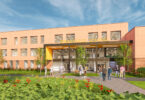
Jersey Archive Extension
Jersey Archive opened its award-winning building in Clarence Road, St Helier, on 24 July 2000, tasked with preserving the Island’s unique archival heritage and making this heritage available to the local, national and international community.
Its 20th anniversary in 2020 was marked with the opening of a £3.5 million extension. The extension doubled the size of the capacity of this award-winning building, providing storage for important paper and digital records for approximately 25 years. The Jersey Archive currently holds more than 600 years of recorded history and the new extension allows the archive to continue to collect the official, community and personal records of the Island for many years to come.
Work on the project began in January 2018 following planning approval and the appointment of AC Mauger Construction to carry out the building work. The project comprised the construction of a 3 storey strong room building and ancillary areas; and alteration and extension to existing building in forming a new document reception, quarantine room, staff room, server room, storage areas and loading bay.
BDK Architects were the Architects for this project.
The nature of the building’s purpose resulted in a very ‘technical’ and innovative building which had a direct impact on the method of construction and duration of the project.
The construction process required specialist techniques to ensure that the building was moisture-free and suitable for record storage. Reduction of moisture content from all ‘wet trades’ was key with the building having to be cocooned in a scaffold before the ground floor slab could be cast. Small monitors were placed within the concrete slab which would show the drying process via a mobile app. Dehumidifiers were utilised within the cocoon at the appropriate time.
To meet national archive standards, the building needed to dry out for six months before it was ready for occupation in 2020, so a drying period was built into the project programme, during which time the process was continually monitored.
Advanced M&E services were critical to the operation of the building and these had to be linked to the original operating systems.
The complex site meant the project was not without its challenges, but close liaison between AC Mauger and Jersey Archives ensured a smooth process. For example, security for the existing operating Jersey Archives building was critical with access to the AC Mauger site not available once the building was alarmed. Close liaison with the Jersey Archives staff via weekly meetings proved to be a valuable way for AC Mauger to manage site operations around the existing building.
AC Mauger also provided dedicated secure access into the site and escape routes for the existing building. Close proximity of neighbours necessitated the monitoring of noise during the piling operations.
An external programming consultant was utilised by AC Mauger to provide regular progress monitoring throughout the project. This was reported to the design team during monthly meetings and also identified key lead-in items which were then entered into the procurement schedule. This ensured long lead-in items such as special blocks were Forticrete blocks and had to be ordered well in advance and stored off site in dry conditions and monitored before delivery to site, as not to create any moisture before laying these blocks.
Linda Romeril, Jersey Heritage Archives and Collections Director, said:
“AC Mauger have been working on site at Jersey Archive for two years. As end users of the new building we found that the team took the time to understand the unique nature of a passive archive repository and rose to the challenges that this building presented.
“The site management team toured the existing archive repository at the start of the project and took on board the historic importance of the documents and the specialist requirements of Jersey Heritage in terms of the build, security and dust reduction. AC Mauger held weekly update meetings with key staff at Jersey Heritage to ensure regular communication on progress and upcoming works.”