The Gramophone Works
Located on the edge of the Grand Union Canal, The Gramophone Works is a phased re-development of a historic site that delivers a significant new commercial hub for small and medium sized businesses.
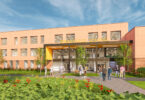
Phase 1 was completed in 2018 and involved the comprehensive refurbishment and reinvention of the Saga Centre warehouse buildings, while Phase 2 extended the existing Old Gramophone Works building outwards and upwards to create an exciting timber structured six storey office building. A new public realm also links Kensal Road with the canal, with an added towpath cafe. This distinctive design has taken it’s cues from the industrial heritage of the site, as well as historic links to the music industry, creating a vibrant and characterful waterside working campus.
The existing buildings, constructed over the first half of the 20th century, were designed to be extended upwards over the years as the owner’s wallpaper and paint business grew. In order to facilitate this, a heavily engineered structure was constructed with column stubs protruding from the roof as well as two five storey circulation towers.
The new development works finally fulfil the ambitions of the original developer by retaining the existing structure to be re-used as the foundation for extending upwards, quickly maximising the site’s commercial potential.
A key identity of the design is the retention, extension and celebration of the circulation towers. These have become something of a landmark along the Canal since they were constructed and have been retained, adding character, heritage and vertical expression to the scheme. Both towers have been seamlessly extended to the height of the extended building and capped by a glass feature room for future use as an office and/or meeting space.
Following the developments completion in September 2021, the site has been shortlisted for two 2021 New London Awards in the categories of Unbuilt and Environmental. The awards state that The Gramophone Works “is a forward thinking new commercial office building which promotes the reuse of the existing fabric, and successfully marries it to new, sustainable building technologies. This narrative is carefully unveiled through the architecture, referencing and exposing both the rich industrial heritage of the original building, and its cultural significance, whilst provocatively using materials for the extension which suggest how new construction and workplace design can be better for the users and the environment on the whole.”
For more information on The Gramophone Works, visit: https://thegramophoneworks.com/