The Architect, Bath
A historic local Bath landmark, the The Architect pub has been magnificently restored, following an extensive refurbishment, including the restoration of historic features and decor in keeping with its rich character and ambience.
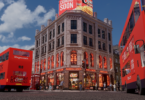
The Architect is the latest member of the Brunning and Price collection of pubs and is located on the ground and basement floors of the old Empire Hotel on Orange Grove close, overlooking both Bath Abbey and Pulteney Weir.
Interior designers for the refurbishment project were Spatialized; Main contractors for the were Stenball, who were praised for their work on the scheme.
Lee Armstrong, managing director of Spatialized said “As principal designers for Brunning and Price, we have had the pleasure and responsibility to deliver all of their projects for the last five years.
“The Architect is located within is a really beautiful and iconic building in Bath. It is also one of the city’s iconic buildings and is second only to the adjacent Abbey for its architectural presence.
“The building in which The Architect is located has undergone various incarnations over the years – originally being a hotel in the Victorian era, before becoming an MOD headquarters during the Second World War. Subsequently the upper floors were converted into residential flats, with the pub occupying the basement and ground floor levels whilst retaining its original entrance and reception room.”
The interior incorporates three main rooms – all of different sizes with different architectural styles – as well as a conservatory at the front of the building, which links the reception and bar areas together.
The refurbishment of The Architect encompassed the entire interior. Spatialized provided a turnkey service – from creating the initial design concept together with the client, through to the delivery of the project, overseeing the management of the works on site.
A key consideration was the building’s listed status, which imposed certain restrictions on the extent of the works that could be carried out – even down to the location of the bar servery.
Lee Armstrong commented: “There are lots of original features that were retained and in some cases restored – particularly ornate plasterwork ceilings and architraves. There were also certain elements that were modern reproductions and we had to identify these and prove to the local authority that they were not of historic value.”
Another challenging element was operating within a ‘live’ environment, including the residential flats located on the floors above, which placed restrictions on the amount of noise that could be created and restricted working hours.
An important consideration of the design was the need to create a warm, friendly, inviting environment within a formal high-ceilinged space. This was achieved largely through the use of screens and cleverly designed seating arrangements.
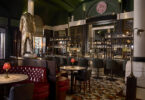
The centrepiece of the new bar area is a stunning bespoke craftsman-made French polished Pippy Oak bar. The beautiful original ceiling and plasterwork has been restored and is complimented by new decor including chandeliers, in keeping with the historic character of the space, now also adorned with local interest paintings and photography retelling the story of the buildings past.
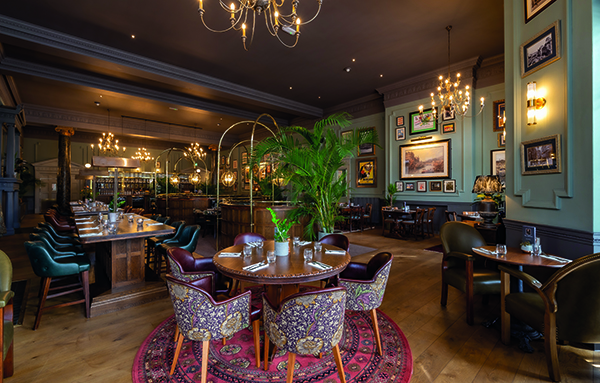
The dining area is the largest of the interior spaces – rectangular in shape and with a very high ceiling, which presented certain challenges in terms of acoustics. The space is broken up with a series of beautiful horseshoe-shaped linked booths over which are hung cantilevered brass light fittings – as well as the installation of a dispense ‘island’ unit. There are also fixed perch dining tables, again with cantilevered brass lighting – which also serves to break up the space. Architectural style planting, including specially imported 4m high palm trees adds to the overall effect.
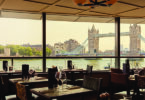
To the rear of the dining room there is now also a new private dining area seating 14 guests, and at the front there is a terrace overlooking the abbey.
Each section of the interior has a different colour scheme with the reception area being predominantly from the blue palette cleverly highlighting moulding details, the bar area in deep greens taking influence from the original marble fireplace and the dining area in pastel shades including greys and light greens adding to the now tranquil feel of the room.
Lee Armstrong commented: “It has been an honour and privilege to be allowed to undertake this project, which has been five years in the making.
“We have had some very positive feedback from customers, and the project had been particularly well received by locals and nearby residents which is especially important to ensure The Architect becomes part of Bath’s fine heritage for future generations.”
Taylor’s Classics
Taylor’s Classics specialises in the design, manufacture, and restoration of furniture for pubs, bars, restaurants, hotels, and cafés.
In 1978 Martin Taylor started his antiques company specialising in furniture from the eighteenth century to the 1930s. His particular love was Victorian and Edwardian furniture. As time went by, he found that more and more people bought his furniture for hotels, restaurants and pubs as centrepieces or bought sets of reclaimed chairs for dining.
Since 2008 Taylor’s Classics has brought together a unique collection of chairs, tables, stools, and benches that represent the best in British furniture over the past 250 years.
Working with Brunning & Price and interior designers at Spatialized, Taylor’s Classics supplied a range of their furniture collections including their exclusive traditional classics, modern seating, hand-picked Antique & Reclaimed furniture, as well as bespoke furniture manufactured in-house to the client’s specification.
It is always a pleasure to work with Brunning & Price and the Spatialized design team on exciting new projects, it is great seeing the furniture come to life in its new surroundings!
To find out more, please visit https://www.taylorsclassics.com/