
RNLI Wells Lifeboat Station
Constructed alongside the beaches of Wells-next-the-Sea, the new Wells lifeboat station will enable the Royal National Lifeboat Institution (RNLI), and its volunteers, to continue Saving Lives at Sea for many years to come.
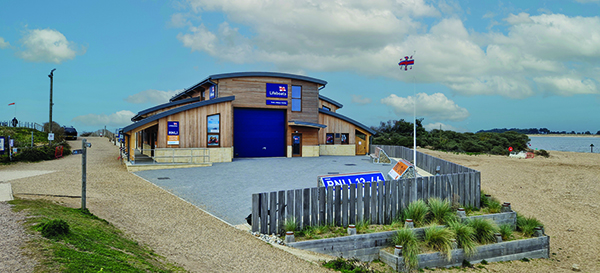
The new Wells lifeboat station is located adjacent to the footpath to the main beaches at Wells-next-the-Sea, Norfolk.
This project was heavily influenced by the incredible work that the RNLI have carried out from this location for decades. The station had been allocated a brand-new all-weather Shannon-class lifeboat and the existing boathouse was unable to accommodate the new lifesaving asset. Creation of a new lifeboat station enabled the provision of modern facilities for the training of crew members and the ability to educate the public on safety at sea – especially given the extreme tidal instances on this stretch of coast.
To shield the station from the extreme coastal weather and the risk of flooding, the site was raised using locally sourced dredged material. Additionally, the site was selected to utilise the protection granted by the existing gabion spit flood defence, which protects the station from the problems which frequently afflicted its predecessor.
A pre-cast concrete and steel piled ramp has been built to extend over the spit, facilitating the safe lifeboat deployment and recovery into the channel no matter the sea level. The raised site levels also assisted with ensuring that the new station was accessible by all from the public footpath.
The building structure consists of a well-insulated glulam timber frame which is clad in Siberian Larch timber atop a bathstone masonry plinth. The implementation of large Accoya engineered timber windows enables the RNLI crew to survey the miles of sandy beaches, the harbour channel and the extensive salt marshes beyond. The station has features in line with current RNLI operational standards and high energy efficiency, including a ground-source heat-pump, underfloor heating and rainwater harvesting.
The volunteers have a spacious crew room, a separate office for the coxswain, a naturally lit workshop for the mechanic, and a changing room with individual drying units for storage of their kit. The Visitor Engagement area and RNLI shop, located adjacent to the public path, gives the volunteers a chance to interact with visitors to help tell the story of the lifeboat service and further educate people by conveying the RNLI’s safety at sea message to the many visitors at this extremely busy tourist beach location.
On the impact of the completed station, a member of the Studio Four team commented: “The outcome has given a huge boost to the crew who were previously working in suboptimal conditions. Now, the lifeboat station provides all necessary spaces which meet current RNLI standards, while further adding to the local built environment – all with the sensible use of charity funds.”
The new “Duke of Edinburgh” Shannon class lifeboat was part of the RNLI’s Launch a Memory campaign, which allowed thousands of people to have the name of a loved one printed onto the lifeboat decal. These names have also been replicated outside the new station on purpose-built benches; and this opportunity has drawn visitors from all over the country.