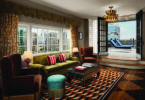
Grand Wailea Maui resort
A richly re-imagined new spa, beautifully reflecting Maui’s unique culture, heritage and environment, plus four beautifully upgraded restaurants have added new layers of luxury for guests to enjoy at Grand Wailea Maui resort.
Surrounded by 40 acres of lush, tropical gardens and situated along the idyllic Wailea Beach, Grand Wailea Maui blends a luxurious resort getaway with the laid-back, Hawaiian spirit coveted by travellers from around the world.
With tremendous respect for the island’s heritage, cultural enrichment and priceless environmental treasures, the resort and its architectural symbolism are inspired by the Hawaiian lunar calendar, and in harmony and synchronicity with nature.
Tihany Design, who created the new spa and upgraded restaurant interiors, have embraced this ethos to create a meaningful and flourishing sense of place by crafting interiors that reflect that same reverence.
Alessia Genova of Tihany design commented: “Initially, the client wanted to create a completely new look only for the restaurants – without necessarily having to undertake a full renovation. We originally came in on the project to upgrade these, but the client then also decided to refurbish the spa, which is quite large and required a full renovation.
Grand Wailea Spa
With insights supported by diligent research, the design team redesigned Grand Wailea’s Spa, enabling resort visitors to be enriched — consciously and intuitively — as they enjoy their tropical-inspired pampering experiences.
The design team’s concept was to create a journey starting with a strong sense of arrival, followed by distinct moods for each of the subsequent spa spaces that guests encounter.
Alessia Genova said: “Throughout the spa journey, we experience the interplay between the five elements of nature, which takes place under the ever-changing moon phases: Earth, symbolising ‘grounding’ the present at arrival; Water referencing flow, adaptability and flexibility; Fire resonating energy, active dynamic and heat; Air personified by movement, freedom and breathing; and of course, the Human Spirit, expressed in space, depicting the unknown and setting sail.”
The Spa is infused with a distinct personality, a fresh, contemporary, and authentic voice; peerless craftsmanship, curated selections of principally and locally sourced, manufactured and alternative materials; natural lighting and landscaped features.
The reception area provides a ‘grounding’ moment and is tied to the earth element – the land and the mountain, the notion of having ‘arrived’ and the Aloha spirit. A place of stability and familiarity. This portal area provides a moment to pause and reflect. It is tied to the element of space and human spirit. This is the point of disembarkation into the ‘unknown’ or the spa journey that is about to start – setting sail.
The wet area is largely tied to the element of water and fire. It is where the spa journey comes to life. It encourages flow and movement (creating a circuit), through varying levels of temperature, humidity, and water experiences.
The treatment room area is where the stories behind the Hawaiian Moon Calendar become the main concept. Each treatment/service can be tied to the different moon phases, telling the stories of how to live in harmony with nature.
The co-ed and quiet lounge areas where guests can relax and linger freely, are tied to the element of air. This is a ‘breathing room’ where guests can enjoy fresh open-air space and the view of the sky and the ocean.
The Restaurants
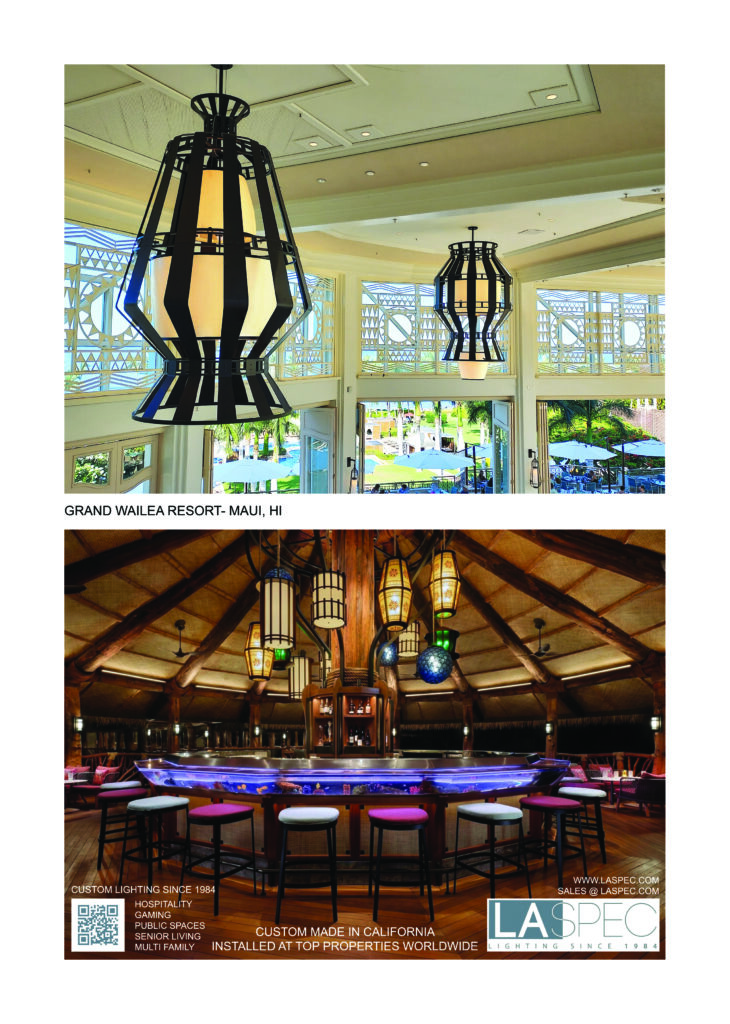
Botero Lounge offers signature cocktails and exceptional dining in a unique art lounge atmosphere with nightly live music, whilst Olivine, named after one of Maui’s primary minerals, is an oceanfront culinary destination where the natural bounty of Maui is perfectly paired with the art of coastal Italian cuisine. As part of the project, LASPEC custom Lighting provided lighting for the restaurant spaces and provided an elegant focal pendant light for Botero Lounge.
Set amid an idyllic beachfront lagoon and featuring majestic views of the Pacific, HumuHumu is Grand Wailea’s signature seafood and steakhouse restaurant, and Loulu, the resort’s wellness-focused market, offers a variety of gourmet options, including homegrown, handcrafted açaí bowls and fresh-brewed local coffee. In HumuHumu, LASPEC custom Lighting provided a beautiful multi-faceted chandelier for the space.
Alessia Genova commented: “The refurbishment of the Botero Lounge restaurant was key, since it is the first space which guests encounter on entering the hotel. This area incorporates a central bar surrounded by landscaping and a collection of Botero statues from which the bar takes its name. All of these elements had to remain, so our job was to make a visual impact through the use of smaller changes, plus a large intervention in landscaping and lighting.
“We redesigned the bar and added a new back bar with bottle display and lighting, plus a new sushi counter to one side. We also enhanced the landscaping with a rich scheme including the addition of tropical plants, plus large plants next to the sculptures.”
She added that alterations were also made to the ‘Grab and Go’ food area, which is quite popular with guests, and was repositioned and re-imagined.
Within the Olivine restaurant, which is open for both lunch and dinner, the design team were again limited in how much they could change the original, so they concentrated on creating a good bar experience, making this area a real focal point.
In addition, they changed the functionality of the open kitchen and private dining areas by altering the seating arrangements to improve the customer experience as well as to create an attractive new look.
Alessia Genova said: “In the HumuHumu outdoor fish restaurant there is a central bar that is the first thing guests see as they enter the space. Here we incorporated an aquarium beneath a glass bar countertop, adding a dynamic new key focal point to the space.
She concluded: “This was a particularly significant project for us – partly because of its size, and partly because of the unique way in which we were able to link the local culture to the design through a strong and deep visual narrative.”