
AngloThai London
The culmination of a nearly four-year site search and numerous highly acclaimed pop-ups and residencies, the opening of AngloThai means that husband-and-wife team, John and Desiree Chantarasak finally have a restaurant to call their own.
The couple’s debut restaurant, in partnership with MJMK Restaurants gives their unique style of contemporary Thai-British cuisine a permanent home at Seymour Place, in London’s vibrant Marylebone neighbourhood. Drawing inspiration from his Thai and British Heritage, at AngloThai, John’s menus change with the seasons, highlighting the plethora of world-class ingredients available from the British Isles, whilst showcasing the bold flavours and traditions of Thai cooking.
The wine list, curated by Desiree, celebrates the couple’s relationships with the growers, winemakers, and importers that have been a pivotal part of AngloThai’s journey. The list champions thoughtful producers who place excellent craftsmanship at the forefront of the grape growing, harvesting, and winemaking process.
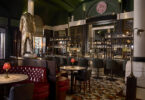
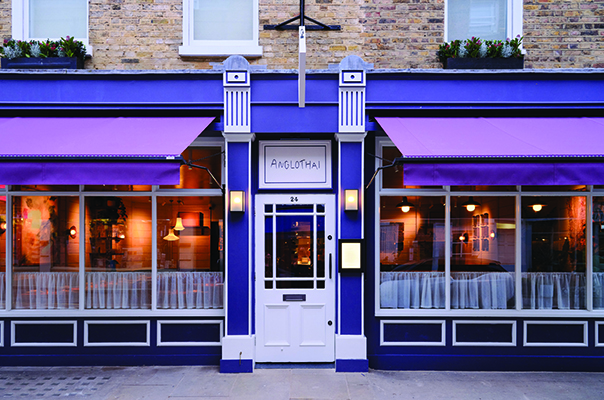
Located on Marylebone’s historic Seymour Place, the site for AngloThai retains a quaint neighbourhood charm, just steps from Marble Arch and Hyde Park. The building itself reflects 18th-century London architecture, whilst housing a 50-cover ground-floor dining room with an open kitchen. The interiors, designed by Thai-American designer May Redding, draw inspiration from Thailand’s contemporary design movement while evoking the warm, comforting feel of a well-loved home.
PREMIER HOSPITALITY sat down with May Redding, who explained: “The brief definitely evolved over the course of the project. Originally the design leant more into traditional Thai themes, but then the project totally evolved, which coincided with my move from New York to Bangkok.”
“When I arrived in Bangkok, I started meeting with contemporary Thai lighting designers, contemporary furniture makers and artists. I realised that AngloThai would be a great place to showcase work by these modern Thai artisans.”
The use of highly skilled artisans was crucial to the design concept for AngloThai, with each item within the restaurant having its own unique story and purpose within the space.
Moonler, a furniture manufacturer based in Chiang Mai that works with Indigenous Chamchuri wood, has created bespoke tabletops, chairs, and a four-metre-long dining table for Baan – the restaurant’s private dining room, which is due to open in early 2025.
Speaking on the choice to use only Moonler furniture in the space, May said: “They are an incredible company based in the North of Thailand, and they only work with one type of wood, so they are masters of it. They really know how to bring out the textures in the wood, which is what makes their pieces so beautiful.”
Lighting by Robert Sukachard of Pern Baan also illuminates the space with Ban Pa Ao lighting, named after the last village in Northern Thailand to make wax-cast brass items. Textile designer Pichatorn Nuladaisri of Yarn Story Studio also created a feature art installation made from woven metals and recycled textiles. Archivio Asazak, an artist and reiki healer based in Chiang Mai, also contributed an abstract art piece that intertwines his passions for art and spirituality, giving guests something to discuss and ponder over whilst they enjoy their meal.
Earth and Fire in Northern Thailand’s Lampang region also created ceramic tiles for the dining room walls and bespoke items like wine buckets and crockery. Additional ceramics came from Chiang Mai’s Prempracha and Bangkok’s Lamunlamai Studios, known for freeform styles with colourful glazes. Welsh ceramicist Matthew Jones also produced the majority of the crockery, made from local clay with glazes inspired by Thai celadon.
Speaking on the colour and material palette May said: “A lot of elements in the restaurant I wanted to feel like just that, elements, so I kept things very natural using ceramics, glass, and wood. The restaurant also needed to function throughout the day and into the evening, so I decided to keep the colour palette quite natural, to allow the colours to come from the food and artworks.”