
The Elizabeth Clock Tower
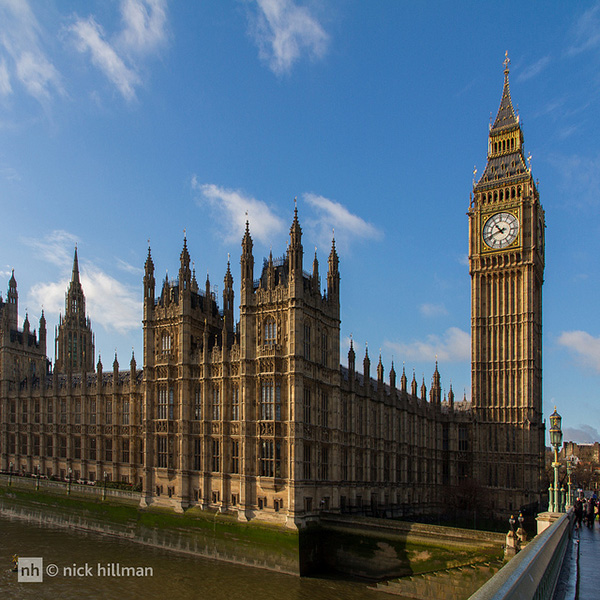
A massively prestigious multi-million-pound project involving the restoration of the Houses of Parliament’s world-famous Victorian Big Ben clock tower was recently shortlisted for the prestigious Royal Institute of British Architects (RIBA) Stirling Prize – the first time in the award’s history that a conservation project has been nominated.One of the UK’s most recognisable landmarks, its restoration was considered a ‘veritable masterclass in conservation and craftsmanship’ by RIBA’s judges.
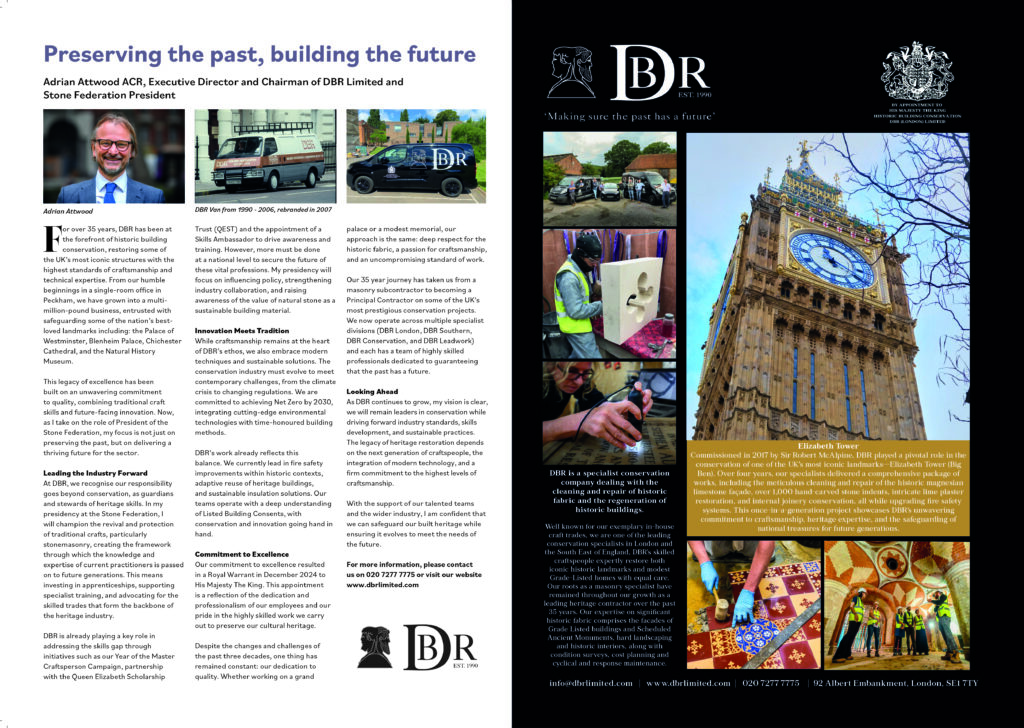
With Sir Robert McAlpine Special Projects as main contractors and Purcell as architects, the iconic project to restore the Elizabeth Tower was carried out for the UK Parliament. Many hundreds of specialist craftspeople from across the UK contributed to the conservation project using traditional trades which reflect the UK’s proud architectural heritage, including stone masonry, gilding, glass cutting and horology.
Chris Elliot, Managing Director of UK Parliament’s Strategic Estates team, said: “This nomination celebrates the successful restoration of the UK’s most photographed landmark, achieved through close collaboration with our architects, Purcell, alongside our exceptional supply chain. As custodians of a UNESCO World Heritage site, we are proud to have maintained and preserved the Elizabeth Tower as a symbol of our national heritage.”
Completed in 1859, the clock tower suffered from many of the issues seen in buildings of its age. The full extent of the deterioration and damage to the tower only became clear when the scaffolding for this conservation project was completed and a comprehensive survey carried out. Significant restoration work was needed to preserve this landmark for future generations
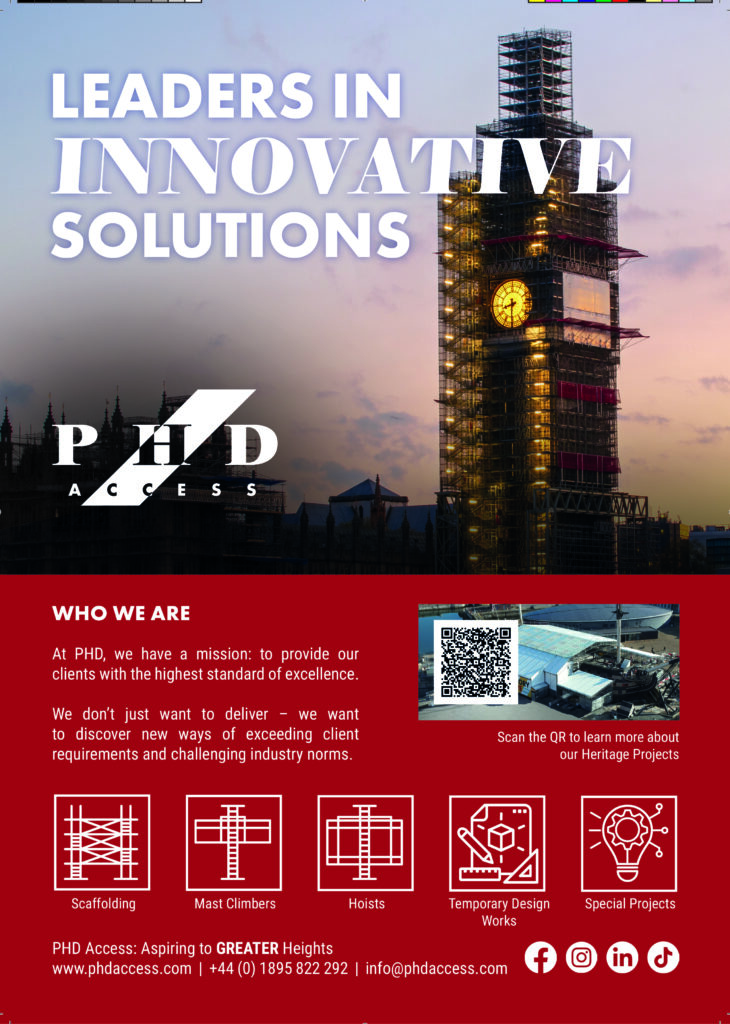
Shrouded in scaffolding from 2017-2022, the tower was repaired from the gilt cross and orb at its tip, to the bottom of its 334-step staircase. It was the largest and most complex conservation project in the tower’s history.
Adam Watrobski, Principal Architect and Emeritus Head of Architecture and Heritage, Houses of Parliament said: “As guardians of the Palace of Westminster, we have a duty of care to preserve this Grade 1 listed tower within a World Heritage site as a matter of public interest. Previous phases of repairs had been carried out over the years, with the last being in 1985. However, little had been done to repair the wartime damage done to the tower – probably because, in earlier years, the conservation technology required to do so was simply not available.
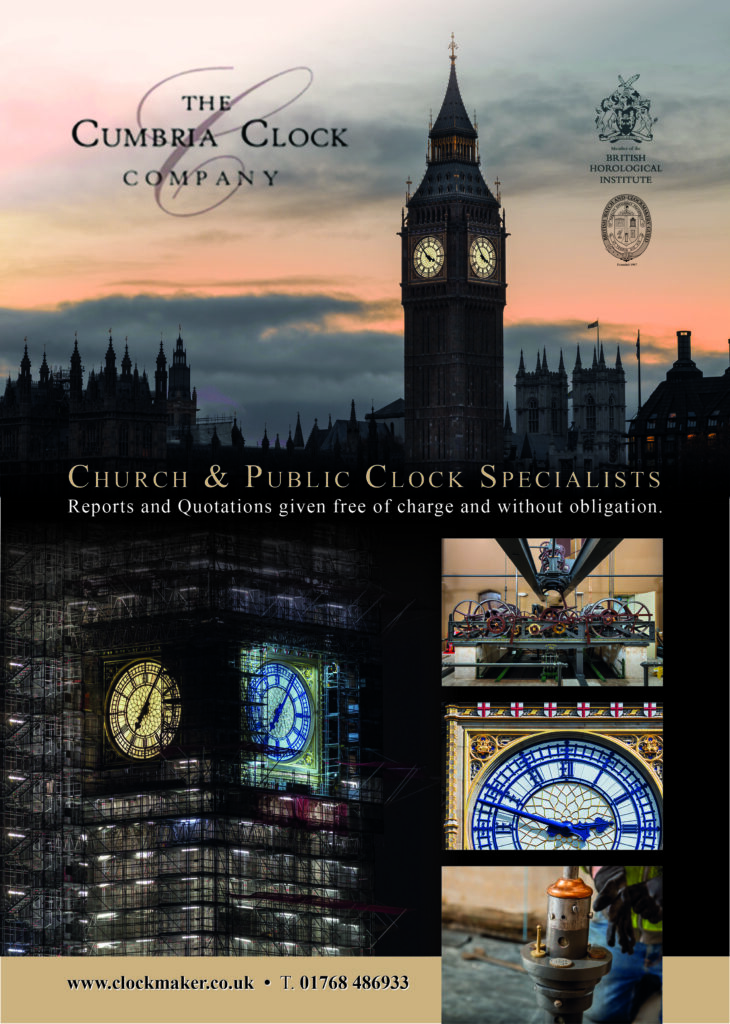
“For example, our in-house team of clockmakers required to maintain Big Ben were concerned that no refurbishment had been carried out to the clock since the 1970s, so repairs were essential – one element of which was the complete re-glazing of the clock dials.”
He added that the tower’s cast iron roofs had not been repaired since the Blitz in 1941, when parts of the clock tower were damaged, with only makeshift repairs being subsequently undertaken. There were also leaks through the belfry floor, the frame supporting the bells was beginning to rust, some of the stonework was decaying, resulting in the danger of falling masonry – and the gutters required work. The light at the top of the tower that shines over the Houses of Parliament also needed repair, and the metal framed windows down the sides of the staircase required refurbishment, including some that had previously been bricked up.
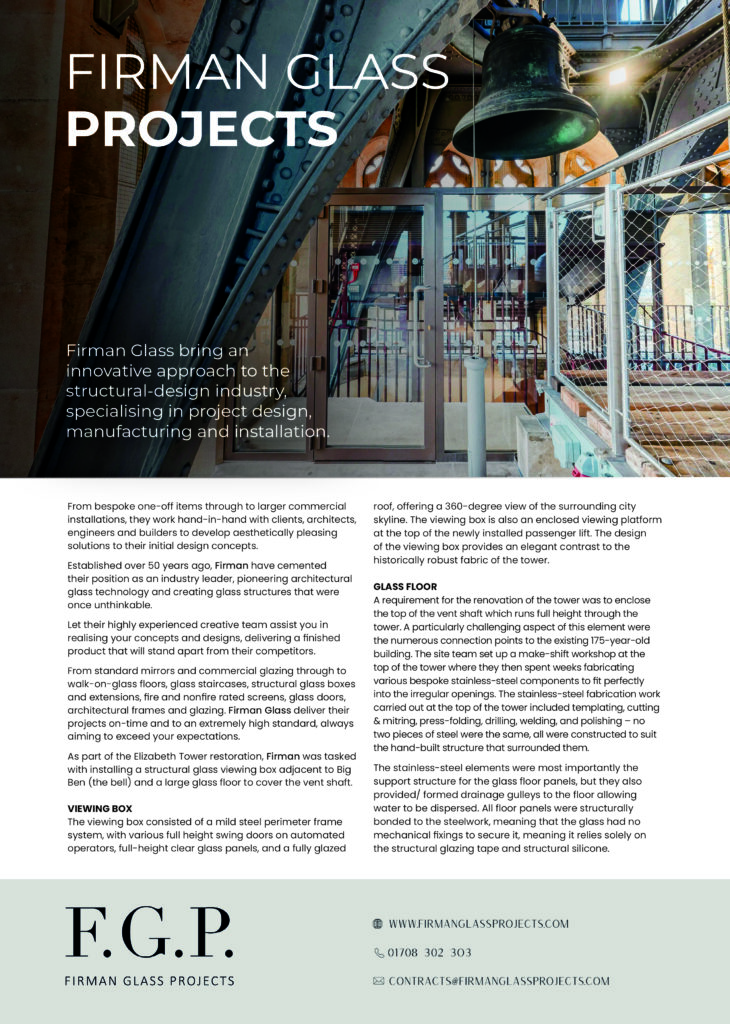
New additions including a lift and a toilet were installed. The lift was installed within the tower’s vent shaft, giving access to all floors, including a discreet glass stair and lift enclosure at belfry level, and a staff toilet.
Further works included the installation of conservation heating, and the replacement of the brickwork open box at the top of the staircase designed to accommodate visitors to the tower, with a new glass enclosure providing views of the belfry. Fire safety has also been upgraded, and all the building services were renewed. The interior of the tower was also repaired and redecorated, the building services were renewed, and improvements were made to health, safety and fire protection systems.
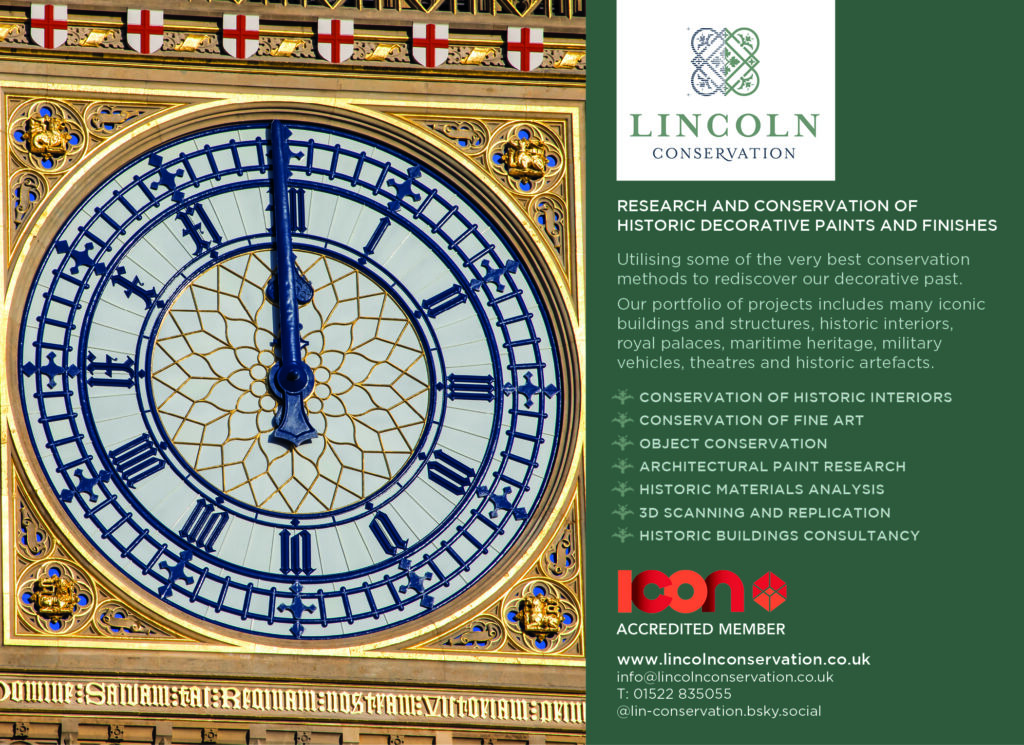
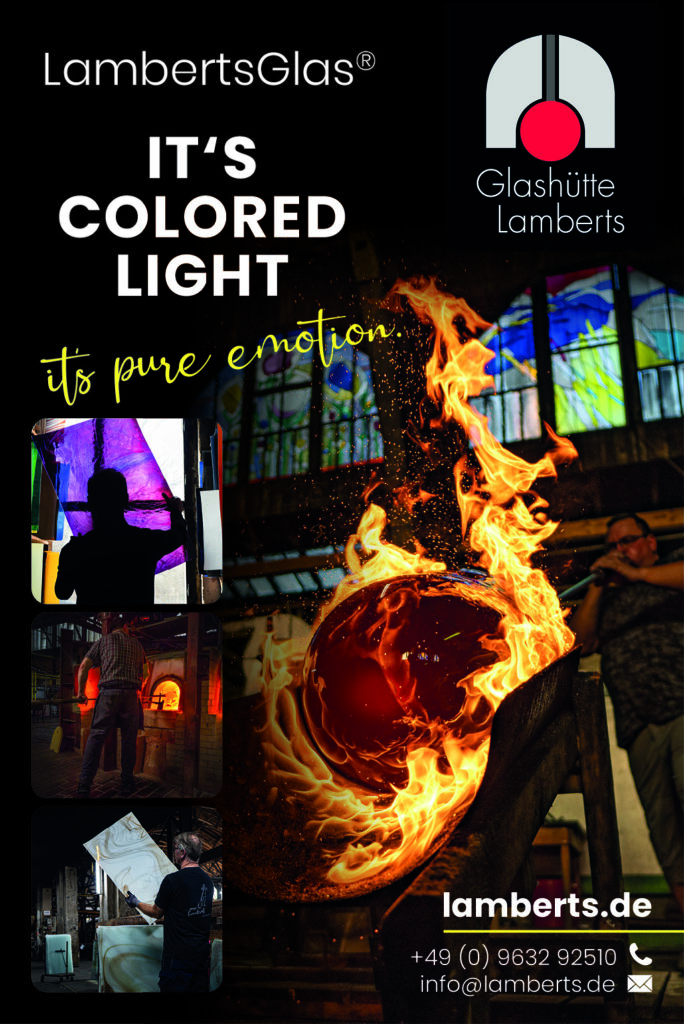
Adam Watrobski commented: “A project such as this has huge challenges, because you always find the unexpected – such as the state of the roofing and masonry, which had more damage than anticipated. For instance, 3,500 components were removed from the cast iron roof, 800 stone repairs were carried out, and all of the gilding needed to be re-done, requiring 181,250 sheets of gold leaf (enough to cover 4 tennis courts). The clock face required the replacement of 1296 pieces of glass (all of which were different), so each one needed to be templated first.
“In addition, the interior works had to be completed within a 10m square space, meaning that there were huge logistical problems to overcome – which I think the main contractor did extraordinarily well.”
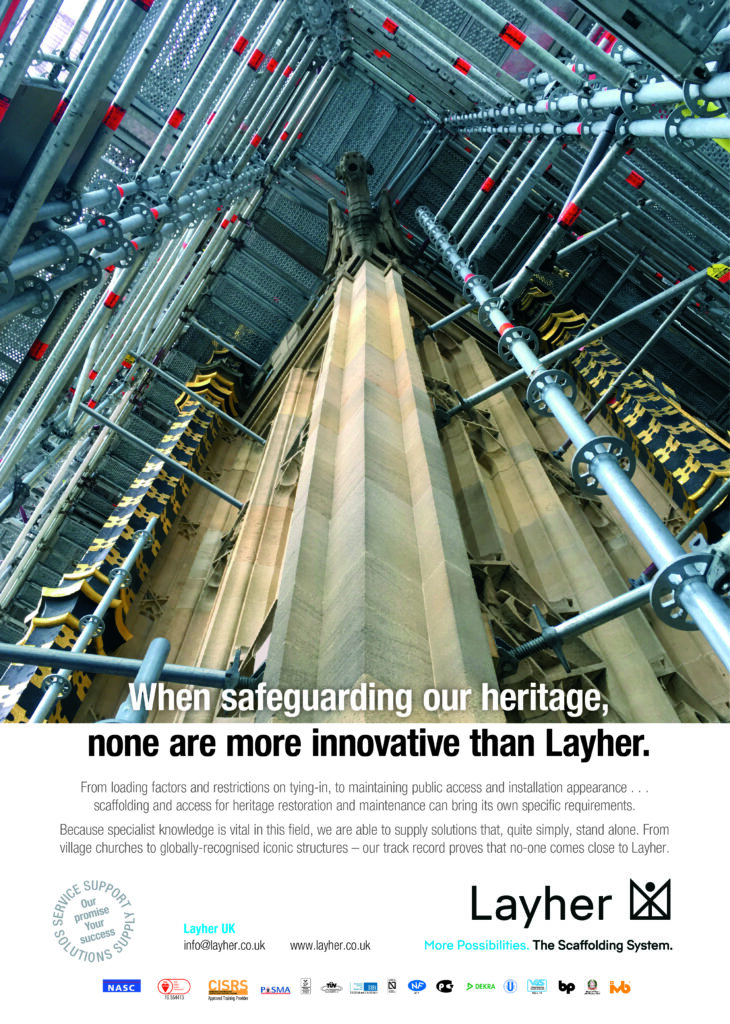
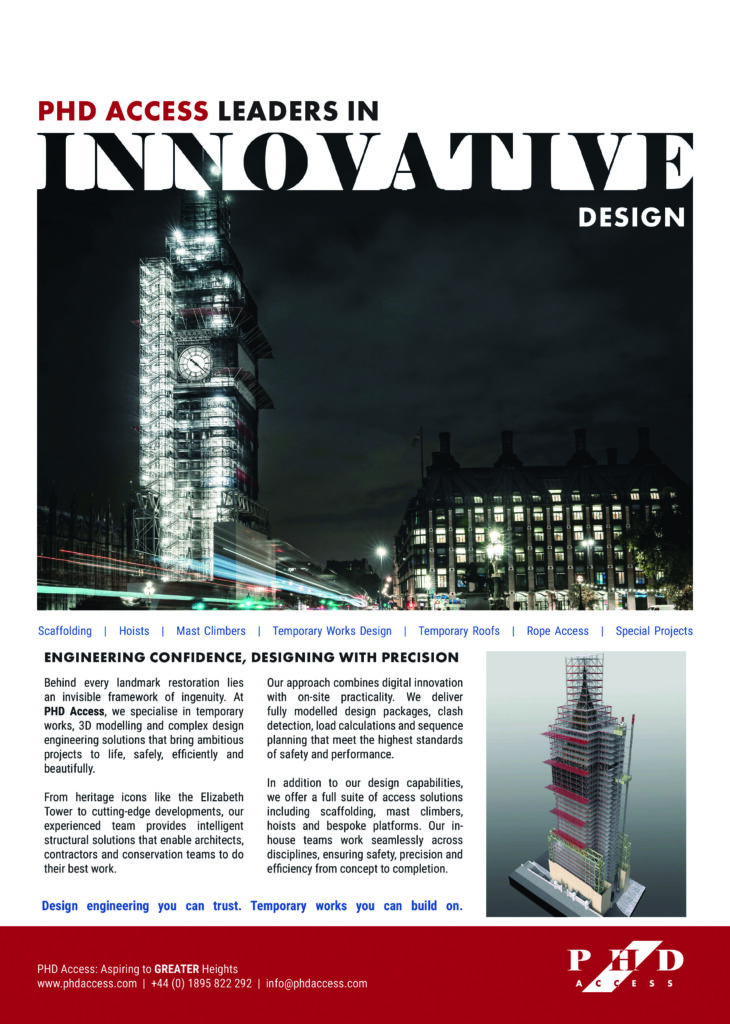
A true feat of engineering was the scaffold erected at the tower, which stood 98m high and enveloped almost the entire structure – but, in order to protect the tower from further damage, it needed to be entirely freestanding.
As such, it was an enormously complex piece of temporary works, featuring 24,000 separate elements and taking six months to construct in an operation that involved 320 individual vehicle movements.
The project followed a carefully planned minimal intervention approach to ensure that the building’s original fabric was retained. Repair methodology was developed based upon conservation excellence, the use of like for like materials and from precedent of prior works at the Palace of Westminster.
As part of the project S I Sealy designed the careful removal of the existing MEP services and complete upgrade of the mechanical, electrical and public health services, as well as the complete replacement of the iconic clock-face lighting. Their approach focused on careful planning, which included various on-site trials to determine the appropriate design principles for several elements of the services being replaced or installed. These trials included using data loggers to monitor temperature and humidity within the structure over 12 months to determine the optimum fabric protection heating system and extensive lighting trials of the proposed clock face LED lighting to ensure that the heritage aesthetic, lighting output, and colour of the clock faces were preserved.
David Stafford, Project Director for S I Sealy commented: “This project was not just about upgrading services; it was about preserving an iconic piece of history. Working within a Grade I listed building in a UNESCO World Heritage Site comes with a tremendous responsibility to maintain its heritage while also ensuring it meets modern standards. Overall, being part of this project allowed us to blend innovation with tradition, ensuring that the Elizabeth Tower not only retains its historical significance but also stands resilient for future generations. It was a privilege to contribute to such an important project.”
The biggest challenge of the project was logistics and access. The iconic tower has just one single narrow access staircase leading from a busy circulation route. Co-ordination of the construction adjacent to the main pedestrian thoroughfare through the Palace from Portcullis House, and the main vehicle entrance without disrupting the business of parliament, was another important consideration.
Adam Watrobski concluded: “I was responsible for the project brief and the quality of the work, whilst project leader Charlotte Claughton was in charge of the time and cost elements of the scheme – and did an exceptional job. The main contractor and all of the sub-contractors and conservation specialists also added their expertise to ensure the project’s success.
“This is a hugely important project for Parliament, since the Big Ben Tower is a symbol of British life, and the light at the top is symbolic as the light of freedom and democracy in action. The clock itself is symbolic of order and control, which is essential to the function
“Thanks to a huge team effort, this iconic building, situated on a UNESCO World Heritage site, is now safeguarded for future generations to visit and enjoy. I think that it is a major achievement to have got it done.”