
John O’Groats Mill Scotland
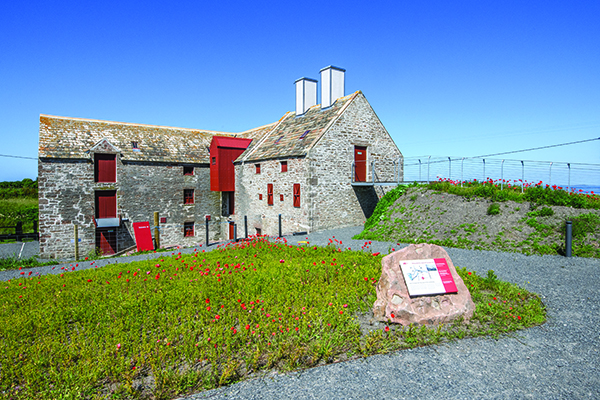
In the rugged landscapes of Caithness in Scotland’s far north coast, an extraordinary conservation achievement has quietly taken shape. John O’Groats Mill, a B-listed former grain mill built in 1901, has been transformed from a building at risk into a thriving community hub and heritage attraction—earning recognition in both the 2026 Civic Trust Awards and the 2026 Civic Trust AABC Conservation Awards.
A Testament to Industrial Heritage
Standing on the site of earlier mills dating back centuries, John O’Groats Mill holds unique historical significance as the last water-powered mill constructed in Scotland. Operated by the Houston family until 2001, the mill retained all its internal machinery intact—a rare survival that makes it not merely a building, but a living artifact of rural industry.After falling into disuse following the sudden death of the last miller, the mill was placed on the Buildings at Risk register, its future uncertain. Yet this landmark structure would find salvation through community determination and collaborative expertise.
Community-Led Vision
The story of the mill’s rebirth begins with the John O’Groats Mill Trust, a community-led charity established in 2017 with a bold ambition: to repair and reopen the mill as a place where heritage and community converge. Through tireless fundraising and strategic partnerships, the Trust assembled a comprehensive £4.9 million funding package from diverse sources, including the National Lottery Heritage Fund, the Scottish Government’s Regeneration Capital Grant Fund, Highlands and Islands Enterprise, Historic Environment Scotland, the Architectural Heritage Fund, SSE, and others.This ambitious endeavour aimed not only to preserve a unique piece of Caithness history but to create opportunities for tourism, education, and local engagement, encouraging visitors to linger longer as part of the broader John O’Groats offer.
Sensitive Design and Intervention
At the heart of the design and conservation effort was Edinburgh-based McGregor Bowes, serving as lead consultant, architect, and principal designer. Led by Chris Bowes, the firm applied their experience in heritage projects to balance traditional craftsmanship with modern requirements.The architectural response required a delicate balance: preserving the industrial character of the original building while introducing modern facilities needed for sustainable future use. The restoration works were extensive, utilising traditional methods and materials, including Caithness stone roof repairs, timber repairs, and masonry work. Crucially, the internal milling machinery and external waterwheel were kept intact, preserving the building’s character.
A key element was the addition of a discreet single-storey extension housing reception, facilities, retail, and flexible community space. This uncoupled essential additions from the mill, ensuring the interventions in the mill were kept to a minimum. Designed to sit in subservience to the historic mill and tucked into the sloping landscape, the extension features a sedum green roof that allows the structure to visually merge with the surrounding landscape. The west-facing elevation opens with a wall of glazing, offering views of the burn and flooding the new interior with light, while Caithness stone slab flooring provides both material continuity with the original mill floor.
The design incorporated passive environmental strategies, including underfloor heating via an air source heat pump, glazing with overhanging eaves for natural daylighting without excessive heat gain, and modern systems that promote energy efficiency while honouring the mill’s heritage. The extension’s Caithness slab flooring enhances thermal mass.
Ingenuity and Construction
Transforming an industrial agricultural building for public access presented significant challenges. A notable technical solution was the installation of a new stainless steel mesh floor above the kiln area, replacing life-expired cast-iron plates while allowing visitors to walk safely and maintaining the kiln floor’s function.Construction challenges were considerable given the remote location and the need to preserve delicate machinery. Principal contractor O’Brien Construction Ltd managed the complex build, coordinating with a skilled multidisciplinary team.This collaborative ecosystem proved essential to resolving on-site challenges, from stabilizing historic masonry to integrating modern building systems without compromising integrity. Close collaboration with Historic Environment Scotland and Highland Council ensured smooth navigation of planning requirements.
Impact and Recognition
Completed in May 2025, the mill now serves as a cultural and social centre, hosting exhibitions, educational tours of the mill machinery, community events, and guided experiences that connect visitors with Caithness’s milling past. The restoration process involved restoring water systems to demonstrate milling and to operate once again.The project supported local jobs during construction and continues to enhance the economic and cultural fabric of one of Scotland’s remotest communities. Its recognition in the 2026 awards circuit highlights its contribution to the built environment and sets a benchmark for balancing preservation with progress.
A Model for Heritage Conservation
For the construction industry, John O’Groats Mill stands as a compelling case study in how historic buildings can be reinvigorated for modern community use without sacrificing authenticity. It demonstrates the value of multidisciplinary collaboration, meticulous conservation practice, and the broader social impact that construction excellence can achieve when rooted in community purpose.As communities increasingly value sustainable heritage projects, this significant structure—brought back to life through the dedication of the John O’Groats Mill Trust, the architectural approach led by McGregor Bowes, and the collaborative execution of the full project team—ensures John O’Groats Mill remains a working part of the community for years to come.