The Clayton Charlemont
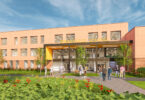
Beautifully decorated to marry historic Dublin with modern architecture, the newly built Clayton Hotel Charlemont offers a relaxing environment and luxury hotel rooms in the midst of Dublin’s vibrant city centre.
The 187 bedroom, four star hotel is located on the corner of Charlemont Mall and Charlemont Street and forms part of a vista which terminates the canal. The scheme was originally designed by Henry J Lyons architects. Urban Innovations were the delivery architects – redesigning the internal configuration of the buildings to address the hotel operator requirements. They worked alongside McAleer & Rushe who acted at the projects main contractors.
The building was designed to integrate into and reflect the environment of the surrounding area. It responds sensitively to the historic context but is also a response to access routes, day-lighting and views to and from the building. The scheme has two brick wings arranged to form an open central courtyard and an atrium space to the rear of the 18th century Protected Structure. This atrium embraces 37 Charlemont Street and with its clerestory windows integrates it into the wider complex.
The building has been carefully composed to respond sensitively to the scale, rhythm, texture and variety of the surrounding context. As such it makes a positive contribution in restoring the urban grain of this part of the city. A controlled palette of materials including brick, glass, bronze coloured aluminium and lime render to the historic structures produced a pleasing and contextually appropriate composition.
The hotel has two entrances – one from Charlemont Mall and a secondary one on Charlemont Street. The reception has been located in the atrium space at the centre of the site, acting as a focal point – welcoming guests and visitors from both Charlemont Street and Charlemont Mall.
The hotel restaurant and meeting rooms are located on Charlemont Mall, taking advantage of the southerly aspect and the views to the canal. These spaces have access directly to Charlemont Mall, activating the street and providing passive surveillance over the Grand Canal pedestrian/cycle route. The transparency of the ground floor provides glimpses of the activity within and allows for solar gain and views to the green and tranquil canal.
A generous foyer surrounds and embraces No.37 Charlemont Street. Lit by clerestory windows this is an exciting space where guests mingle and relax in seated areas. This space is the main focal point of the project.
Key to the success of this project was the careful preservation and restoration of the historic structures – 35, 36 and 37 Charlemont Street. The character and interest these buildings bring are key to the excitement the project generates. These conservation assets now contribute positively to the surrounding area. The restoration of the façade of 37 Charlemont Street and the associated landscaping works are particularly powerful. With the removal of the various annexes and outbuildings these buildings regain architectural prominence and their presence in the streetscape is restored.
All of the buildings are now used as sleeping accommodation for the hotel. As such the buildings are brought back to life with the facades animated throughout the day and night.
Surviving original details of those of significance have been carefully preserved and integrated into the building. A good example of this is the staircase in 37 Charlemont Street.
Externally all modern cement roughcast renders were removed and replaced with a traditional lime render, including reinstatement of the decorative mouldings, parapet and quoin stones.
Following its completion, the hotel was nominated in the 2019 Irish Building & Design Awards in the categories of ‘Architectural Project of the Year’ and ‘Tourism and Hospitality Project of the Year.’ Commenting on the award recognition, Wes Farren from Urban Innovations said: “Recognition on this level helps promote the practice and in turn rewards the hard work that goes unseen.
“This was a standout project for the practice and presented a fantastic opportunity to restore the urban fabric to this part of the city. In doing so historic buildings were upgraded and restored, which contributes positively to this part of Dublin.”

Clayton Charlemont reception