
Given technological developments, the boom of eCommerce and emerging-market growth that are continuing to cause consumer habits to change, it is certainly little surprise that the retail landscape continues to evolve at a rapid pace. Throw a global pandemic into the mix and the future of the sector is far removed from what we would have expected a decade ago. Thomas Fletcher, Projects Director at Sigma, takes a deep dive into the outlook for bricks-and-mortar stores in 2022 and beyond.
Overall retail store vacancy rates were 14.5% in Britain in July 2021, up from 14.1% in the first quarter of the year[1] – further highlighting a long-standing problem with oversized store portfolios and decreasing footfall that has resulted in the number of empty shops increasing for the past three years consecutively[2].
Faced with the associated pressures to reduce operating costs that have plagued the industry for several years, the repurposing of retail assets has emerged as a valuable lifeline for many retailers looking to inject life back into their commercial property portfolios. Indeed, many businesses are assessing their commercial property models to maximise available assets.
So just what will the high street of the future look like? And how can leading brands hope to exploit existing commercial assets to derive maximum value in the prevailing environment?
Local distribution and fulfilment centres
The blurring lines between the world of online and offline in retail has forged a new path for many retailers. Brands now need to not only provide a winning customer experience (CX), but also fulfil a growing number of digital orders from a wider array of channels.
For many brands, click and collect services have emerged as the fundamental bridge between online and physical stores. Those retailers that are able to successfully implement such services stand to capitalise on a distinct opportunity for growth.
Indeed, Sainsbury’s-owned general merchandise retailer Argos was able to ensure 90% of its customers were able to receive their purchases on the same day – via home delivery or collection in store – by introducing local fulfilment centres (LFC) across the UK[3].
With many companies seeking to repurpose underused and underperforming floor space, unquestionably this micro-fulfilment approach with small, local distribution centres, will become central to the delivery processes over the next few years and ensure space is maximised.
Particularly as eCommerce shows no sign of slowing, decentralised warehousing will make for a faster and more efficient business model that navigates the complexity of cross-channel fulfilment. With LFCs, retailers can address complex product flows through the network, cutting costs and creating efficiencies, while at the same time better leveraging existing assets such as stores and the workforce.
What’s more, brands stand to gain a great deal by bringing shoppers into the physical stores where additional purchases are often made.
Transformation to accommodation
Of course, the trend towards the re-purposing of retail store space is not limited to fulfilment. The coronavirus pandemic is changing the face of the UK’s high streets, and with thousands of shops having closed permanently since the first lockdown in March 2020, retailers are seeking to think outside of the box when it comes to reimagining floor space.
One trend that has emerged is the movement of accommodation into retail vacancies in town and city centres. As calls for the creation of more homes – particularly affordable ones – continues to grow louder, brands are transforming previous unoccupied space into everything from luxury apartments to student accommodation, and much more, meaning there is a wide range of options that businesses can consider.
According to Savills[4], the upper levels of large stores offer the most advantageous and straightforward opportunities for redevelopment.
The rise of ‘retailtainment’
Today’s consumers are willing to pay up to a 16% price premium[5] for a great experience, while, when it comes to making a purchase, 64% of people find customer experience more important than price[6]. No wonder then, that CX has emerged as a key battleground for retailers in an increasingly competitive marketplace, especially in the modern digital age.
As brands seek to draw consumers back into their physical stores, the industry has experienced a notable transformation towards high-concept ‘retailtainment’ stores on the UK high street.
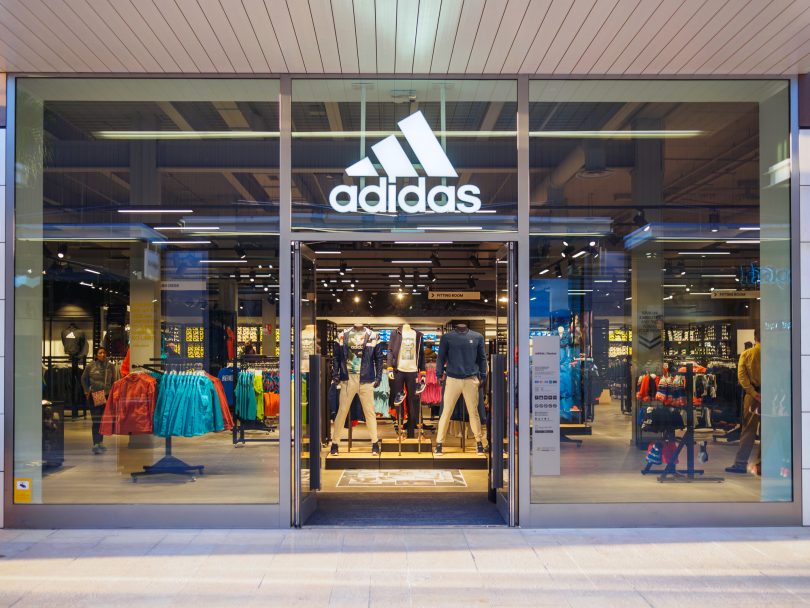
Such stores can take many shapes, from the four-storey Adidas mega-store in London[7], which allows customers to request alternative sizes and colours from an interface inside the changing room, to Dr. Martens’ technology-driven Cambden outlet[8], which includes a VR station, GIF booth for social sharing and a customisation zone for shoes, or the skate park-housing flagship House of Vans store in London[9].
A trusted partner
While there is undoubtedly a wealth of distinct opportunities for retailers to reimagine their commercial space, successful execution will rely on expertise.
With over 20 years’ experience of transforming commercial spaces, Sigma can ensure complex transformational programs can be deployed seamlessly, unceasingly, and perhaps most importantly, cost-effectively across entire estates. To find out more, visit: www.sigmagrp.co.uk
[1] https://www.independent.co.uk/business/number-of-empty-shops-continues-to-rise-across-uk-after-covid-hit-b1893412.html#r3z-addoor
[2] https://www.independent.co.uk/business/number-of-empty-shops-continues-to-rise-across-uk-after-covid-hit-b1893412.html#r3z-addoor
[3] https://imrg.org/blog/micro-wave-the-pros-and-cons-of-local-smaller-fulfilment-centres/
[4] https://www.savills.co.uk/insight-and-opinion/savills-news/311574-0/significant-opportunities-for-retail-repurposing-in-leeds-as-vacancy-rates-reach-17-
[5] https://www.pwc.com/us/en/services/consulting/library/consumer-intelligence-series/future-of-customer-experience.html
[6] https://alicepos.com/15-customer-experience-statistics/
[7] https://www.adidas-group.com/en/media/news-archive/press-releases/2019/creating-future-london-adidas-re-imagines-retail-experience-new/
[8] https://www.campaignlive.co.uk/article/dr-martens-opens-experiential-flagship-store-camden/1430765
[9] https://www.thestorefront.com/mag/7-case-studies-prove-experiential-retail-future/