


A clean start: increasing dwell time in retail stores with enhanced hygiene
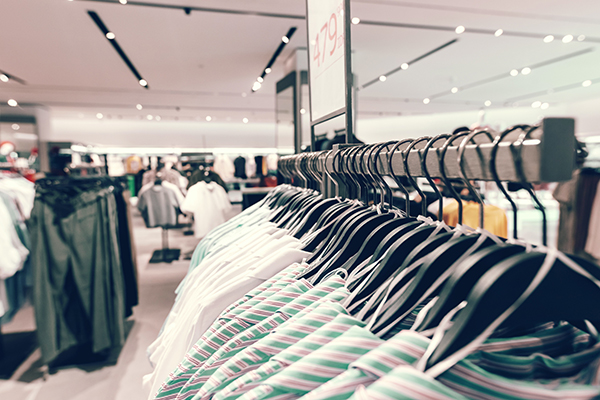
Encouraging shoppers to return to physical stores has been top of the agenda for some time now. However, as footfall continues to rise, the retail sector faces a new challenge – how to keep those visitors in-store long enough to make a purchase. Leading commercial cleaning and soft FM provider SBFM talks retail environments and the importance of keeping facilities clean to a high standard to boost in-store dwell time.
For retailers, the positive correlation between dwell time and sales is hard to ignore. A study by Pathintelligence found that just a 1% increase in dwell time resulted in a 1.3% increase in sales[1]. It is unsurprising, then, that brands are placing additional resources and emphasis on increasing the time that consumers remain in their premises.
The sector has seen countless innovations to meet the challenge – from lighting to creative product demonstrations and even choosing the optimal music – but many brands are failing to address one simple factor, the physical appearance of their store.
The detrimental impact of store appearance on the bottom line can be significant. Indeed, according to a survey conducted by ISSA – The Worldwide Cleaning Industry Association – 95 percent of shoppers reported that unclean restrooms and unpleasant odours would influence shopping decisions along with, dirty floors, spills or stains, dirty shopping trollies and other factors[2].
As we navigate out of the global pandemic and head into a more normal world, consumers are likely to have a slightly different outlook and new priorities. Excellent hygiene standards and a visible cleaning presence have assumed even greater importance in the battle to gain customer confidence. But what measures can be taken to offer such reassurances?
COVID protection
Reducing the risk of the transmission of COVID-19 – as well as other airborne and surface carried illnesses – indoors must become a critical consideration for retail brands moving forward. This means effective implementation of infection control protocols and the associated technologies, including advanced anti-microbial disinfectant fogging to disinfect large areas and rapidly clean multiple surfaces and touchpoints, must form a central function in any cleaning strategy.
Amidst the pandemic, advanced infection control services have improved considerably. Indeed, the latest cleaning techniques are proven to provide a 30-day protective shield against COVID-19 and other pathogens.
Visibility
As the requirement for cleaning teams to be more visible grows – often operating during peak hours to assure consumers of their safety – having operatives with comprehensive customer service training to align them to retail staff can be key.
For retailers, having a commercial cleaning partner that can instil their core values and customer service ethic into their cleaning team is highly valuable. Not only can this result in a fully embedded service, but also provide customers with a highly visible cleaning operation that instils consumer confidence and prolongs dwell time.
Optimised touchpoint cleaning routines
Today’s retail brands have spent years transforming their stores into immersive, high-touch, sensory-driven experiences. Yet, at a time of heightened concern about public health, retailers are now having to do everything they can to offset the dangers of enclosed spaces, high-touch areas, and an influx of shoppers and staff. This has left brands in somewhat of a predicament.
Regular touchpoint cleaning will inevitably form part of daily cleaning schedules in bricks-and-mortar stores, but if such strategies are not underpinned by a comprehensive understanding of the store environment, the impact will be minimal.
Having a clear picture of aspects such as anticipated footfall, average occupancy rates, as well as areas which may need additional attention such as high traffic touchpoints including door handles, stair rails, lift call buttons, amongst others, is key. These understandings can help shape strategies that focus on the areas that will matter most to customers and staff alike.
Only once such insights are achieved can brands adopt routine touchpoint cleaning, and cleaning teams deploy the specialised COVID-19 fogging equipment necessary to deliver a periodic programme of sanitisation for high touch areas.
Deploying the experts
With brands progressively dedicating more time to post-vax reopening and enhancing the in-store experience, retailers are finding excellent value in outsourcing cleaning practices to a trusted, professional cleaning company.
To find out how SBFM can become your integrated commercial cleaning partner, visit: www.sb-fm.co.uk
[1] https://www.retailsensing.com/people-counting/retail-dwell-time-metric/
[2] https://www.cleanlink.com/news/article/Research-Explores-The-Importance-Of-Clean-In-Retail–18756






