
Written By Penny Brown, Managing Director at Burgh Island Hotel
Time and again, the UK hospitality industry has shown its unwavering tenacity, welcoming guests with a smile through wars, recessions and pandemics. Admittedly, in my 40 years in the industry, I have never experienced a time more challenging than today —staffing issues, rapid innovation and changing customer expectations. However, I have also yet to face a hurdle too difficult for hospitality to overcome.
By seeking solutions and tackling these operational challenges head-on, I am confident that the industry can maintain smooth operations and continue delivering exceptional guest experiences.
Attracting and retaining a skilled workforce
Hotel owners need the support of a skilled and motivated workforce to navigate these turbulent times. However, attracting and retaining talent is one of the foremost challenges for hotel owners today. The hospitality industry has long grappled with high turnover rates, which are currently at nearly 6%,[1] and a shortage of skilled professionals with 132,000 roles currently unfilled.[2]
As an industry, we cannot place the blame solely on Covid and Brexit. We must acknowledge that working in hospitality often comes with unsociable hours, stressful environments and a lack of recognition. To tackle this challenge, hoteliers need to focus on building a positive work culture, providing competitive compensation and benefits packages, and investing in employee training and development programs. By creating an environment where employees feel valued and supported, hotel owners can foster loyalty and reduce turnover.
Embracing technological advancements
Embracing technological advancements is paramount in today’s digital age. Solutions that streamline operations, such as mobile check-in/out, digital concierge services, and personalised communication channels that enhance the customer experience, are a must-have amenity.
However, these efforts must stretch beyond an establishment’s walls. The rise of online booking platforms, guest review websites, and social media has revolutionised the way customers interact with hotels. Encouraging feedback through online reviews and actively engaging with customers on social media can build a positive online reputation and attract more guests.
Likewise, implementing a robust property management system (PMS) that integrates with online booking platforms can automate tasks such as reservation management, inventory control, and guest communication. Using automation to improve efficiency, the strength of systems such as Lodgify and Hostfully have made vacation rental sites, such as Airbnb, a dominant force in today’s accommodation market — and this is the standard all establishments should be aiming for.[3]
However, automation should never compromise the personalised service that guests expect from a hotel stay, such as staff being on hand to answer unusual questions, help solve unique challenges, and build a rapport with guests. Striking the right balance requires a thoughtful approach that, coincidentally, technology can help achieve. Leveraging guest data can enable hotel owners to tailor experiences and anticipate guest needs. For example, using guest history and preferences stored in the PMS can allow for personalised welcome amenities, room preferences, or dining recommendations.
By combining automation with personalisation, hotels can provide a tailored and memorable experience to secure a five-star review from every guest.
Addressing sustainability concerns
In recent years, sustainability has emerged as a significant concern for both consumers and the hospitality industry, with 69% of travellers now searching for sustainable holiday options[4] and 59% willing to walk away from businesses that fail to act on climate change. To maintain business, hotel owners must address growing environmental concerns and adopt sustainable practices to meet evolving guest expectations, as well as the expectations of potential recruits.
Implementing energy-efficient systems, reducing water consumption, recycling initiatives, and partnering with local suppliers are just a few ways hotels can contribute to sustainability, while saving costs by using less energy and producing less waste. For example, at Burgh Island, we have committed to sourcing all produce locally, which has helped lower our carbon footprint and provide guests with more flavourful dishes. It’s a small change that, if embraced throughout the industry, would dramatically strengthen hospitality’s sustainability credentials.
Of course, becoming an eco-friendly establishment is a daunting task. Those unsure where to start should look to the various eco-friendly initiatives and certifications now available. Following these guidelines will not deliver meaningful results, but also communicate your eco-commitment to guests, enhance your hotel’s reputation and attract environmentally conscious travellers.
Keeping on top of trends and regulations
The Covid-19 pandemic presented unprecedented operational hurdles, which allowed hospitality the opportunity to showcase its ability to respond to hardship — adapting to constantly changing health and safety protocols, implementing rigorous cleaning and sanitation measures, and navigating fluctuating demand patterns.
Flexibility and agility were key to surviving those uncertain times, but we should not turf them out now the pandemic is behind us. Keeping on top of industry trends, consumer preferences, and regulatory changes is crucial to understand and tackle hospitality’s latest operational challenges.
Attending industry conferences, joining professional associations, and networking with peers can provide valuable insights and opportunities for learning from others’ experiences. But nobody can teach us more than those we serve. Establishments should be actively seeking guest feedback, conducting regular performance evaluations, and analysing data can help identify areas for improvement and drive operational excellence.
Finding opportunities in operational challenges
When a particularly problematic customer enters our premises, we don’t turn our backs and pretend they’re not there. We welcome them with open arms, go above and beyond to cater to their needs, and ensure their complaints are swiftly addressed. We should act no different in dealing with the operational challenges knocking at our doors.
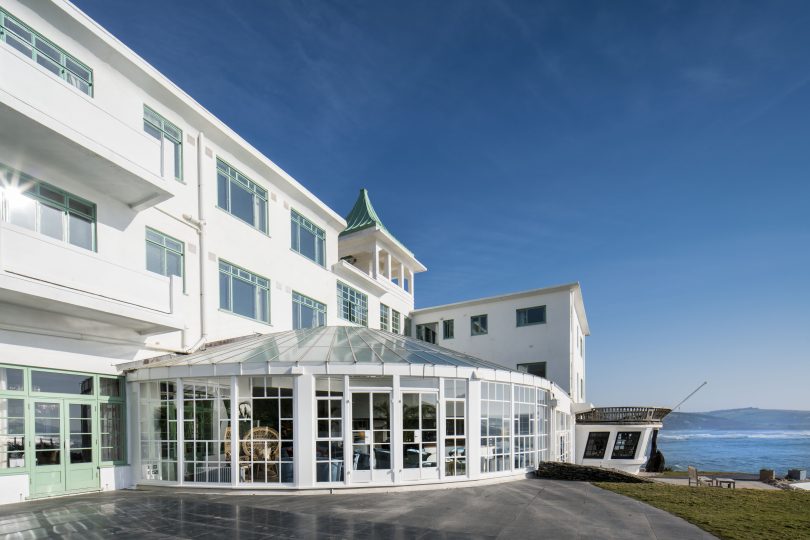
At Burgh Island, we’re no strangers to difficulty. Located on a tidal island cut off from the mainland, we deal with our fair share of unique challenges. But with quick thinking, adaptability and drive ( and for us, the aid of our one-of-a-kind sea tractor), even the biggest problems can be transformed into positive guest experiences.
[1] https://www.fourth.com/press-release/hospitality-headcount-hits-two-year-high-but-leaver-rate-remains-major-cause-for-concern#:~:text=Hospitality%20continues%20to%20have%20a,and%20a%20low%20of%205.4%25.
[2] https://www.hospitalityandcateringnews.com/2023/06/how-hospitality-is-battling-its-people-problem/
[3] https://www.doorloop.com/blog/property-management-software-for-airbnb
[4] https://www.schengenvisainfo.com/news/69-of-travellers-want-to-travel-sustainably-this-year-new-report-shows/