
Written By Liam Crooks, EMEA MD at Lightspeed
In a world driven by experiences, the hospitality sector remains a pivotal industry, with businesses continuously vying to create unforgettable memories for their patrons.
At the core of the evolution of the hospitality sector is technology. By blending it with hospitality, businesses of all sizes enhance daily operations, manage multi-channel sales, and deliver exceptional customer experiences.
But how does this integration shape the future of hospitality?
Navigating the Tech Maze
Integrating technology into the hospitality sector is not merely about adoption but understanding and leveraging it effectively.
The digital transformation within hospitality points to the importance of data analytics and predictive modelling. These tools are foundational in allowing hotels to curate highly personalised experiences. By collecting and interpreting guest data, establishments can predict preferences, enhancing the overall guest experience. Owners also save time on administrative tasks through this technology, meaning they can focus on dealing with the customer in front of them.
However, with the influx of various technologies and platforms, choosing the right fit can be challenging. Before integrating any new technology, it’s essential for establishments to have clarity: What is the primary goal of this integration? Is it to enhance customer satisfaction, streamline operations, or perhaps tap into new markets?
While incorporating these new technologies, establishing measurable metrics of success is vital. Without clear benchmarks, assessing the efficiency or impact of a technological tool becomes challenging.
The Experience and Efficiency in Everyday Processes
For many, hospitality is all about offering a holistic experience, encompassing ambience, food, communication, and, most importantly, a personalised touch. Mildreds and Mallow’s use of technology offers a clear example of how this technology can enhance the customer experience while optimising operations.
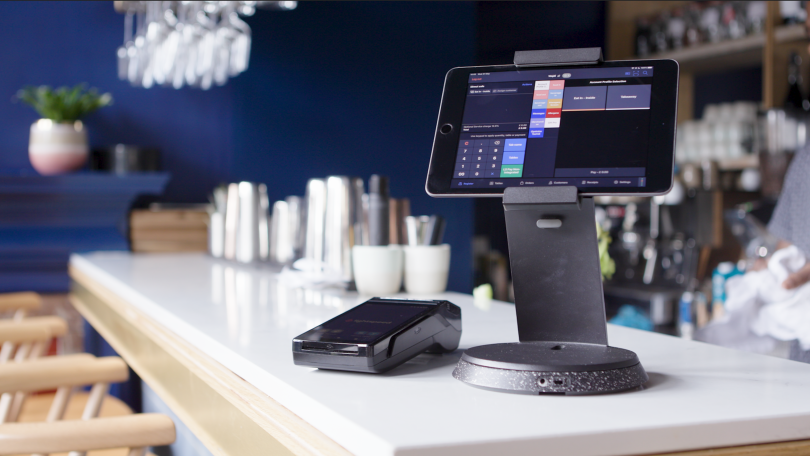
Using their ePOS system, Mildreds and Mallow have been able to bridge the gap between order placement and kitchen prep, giving more time for waiting staff to focus on the customers in front of them. This efficiency is further bolstered with data analytics, allowing the restaurant to cater to customer preferences and streamline menu offerings, meaning they make their customers feel like a VIP.
With smart table management, the restaurant has optimised turnover rates while increasing the time dedicated to providing their guests with a memorable experience by two minutes per guest. Such strategic implementations of technology also play a pivotal role in the backend, like inventory management, reducing wastage and predicting stock needs accurately.
Sustainability: The Green Tech Revolution
The enforcement of the Environment Act 2021 underscores the urgency for industries to reconsider their operational models, especially in the hospitality domain.
Sustainability isn’t just a buzzword; it’s becoming a core ethos that is defining the success and relevance of businesses in today’s world.
Michelin-starred restaurant Mana serves as an example, employing data-driven insights to cater to customer preferences and mitigate wastage. By offering a set menu and serving only on reservation, Mana is able to constantly keep an exact view of their inventory. In the same vein, the first zero-waste restaurant in the world and first ever restaurant to obtain the Michelin Green Star, Silo, achieves its zero-waste by leveraging technology and offering set menus to its guests.
But the larger issue remains the level of food wastage in the UK’s hospitality sector and beyond.
The UK produces the highest amount of food waste in Europe, discarding around 9.5 million tons of food in a single year. Shockingly, while this staggering amount of food is wasted, 8.4 million people in the UK grapple with food poverty. Moreover, on a global scale, over a third of all food produced goes to waste.
Advanced platforms are transforming hospitality operations, moving beyond basic stock management to analysing data, predicting demands, and optimising supply orders, as well as reducing wastage. These innovations will not only benefit businesses but also enable suppliers to enhance their operations for a more sustainable supply chain.
Diversity, Equity, and Inclusion (DE&I): Tech as the Catalyst
The WiHTL’s recent Gender Pay Gap Report 2023, produced in collaboration with PwC UK, has spotlighted the persistent gender pay disparities within the Hospitality, Travel, and Leisure (HTL) sectors.
Despite the hospitality sector employing 792,000 women in the UK, the report shows a widening pay gap, particularly in travel, where it rose from 20.4% to 22.4% over a year. Conversely, the leisure sector reported a positive decline in its gap. Economic strains, such as the cost-of-living crisis, have compounded these discrepancies, especially in senior roles typically dominated by men.
While such reporting isn’t mandated in the UK, many HTL companies are progressively broadening their focus. In this landscape, technology offers a promising avenue. Leveraging tech can potentially counteract the decline of women in senior roles, ensuring they not only achieve representation but equity too.
Rising Costs: The Balancing Act
The hospitality sector is grappling with the strain on labour due to heightened wage expectations, compelling businesses to reevaluate their expenses.
UK consumers are facing shrinking disposable incomes and are spending less on leisure, leading to declining revenues in the hospitality industry.
Further complicating matters, the significant 10.4% inflation rate increase witnessed in February 2023 was significantly influenced by rising hospitality prices, underscoring the impact this industry has on the overall economy.
To address these challenges, several establishments, including Stonegate Group, are leveraging technology-driven “dynamic pricing” strategies during peak times. While these methods can sometimes stir debate, they offer a proactive approach for companies in the sector to manage costs and remain competitive.
Navigating Tomorrow’s Hospitality Landscape
The confluence of technology and hospitality is transforming the industry at an unprecedented pace. With tools like data analytics, predictive modelling, and innovative tech platforms, businesses are more able to do business with purpose, while benefiting people, planet and profit. Optimising operations, enhancing customer experiences, and addressing larger societal challenges such as food wastage and pay disparities is welcomed in this new era of technology.
However, as we delve deeper into the digital age, even though this technology makes our lives easier and more enriched – the human element of being able to successfully adopt new technologies and adapting to working in a different way, may be the next biggest challenge the industry will face.