
From the building of large hotels to the renovation of intimate restaurants, no two hospitality construction projects are alike. One thing they do have in common, however, is a need to make them enticing for customers, fit for purpose and compliant with planning permission also building control. Simon Smith, Managing Director of Nu Construction, explains how working with a long-established and trusted company with many years’ experience in the hospitality sector can ensure projects run smoothly and achieve desired results.
A variety of challenges
Hospitality construction projects fall into two main categories, new builds and renovations, and both raise challenges. New builds can require old buildings to be demolished, extensive groundwork and drainage and the use of large plant, like cranes. Renovations, meanwhile, often need to preserve a building’s integrity, including original features, while delivering architectural designs and meeting building regulations. As a result, contractors will need access to a wide range of skills, equipment and materials to work on different types of projects. Furthermore, as many clients stay open during renovations, contractors will also need to adapt their operations to ensure safety and minimise disruption.
Enjoying this article? Sign up for our FREE<br>newsletter!
The value of experience
Construction companies with experience in the hospitality sector know the types of challenges these projects present and will already have amassed the expertise and capacity to deal with them. This includes having a workforce and supply chain that can deliver the skills, labour and materials for specific projects.
Practiced companies will also be adept at managing hospitality projects to ensure they fulfil design plans, comply with safety and regulatory requirements and meet deadlines as well as budgets. Moreover, they know how to work in partnership with all parties involved, including architects, designers and subcontractors amongst others, to ensure the project runs smoothly while minimising disruption.
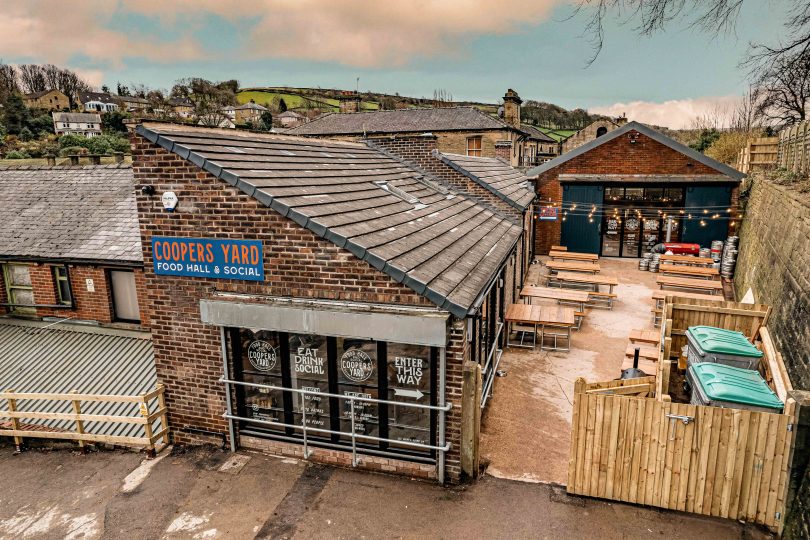
An example of the challenges that can arise on such developments can be seen in a recent project to convert a former power tool repair shop into a food hall, bar and community space in Holmfirth, Yorkshire.
The development included creating three kitchens, a coffee area, a large bar and an external social space. As the building was in a conservation area there were limitations over the scope of work, with designs needing local authority approval before planning permission was granted. Similarly, situated in a residential area, the council required noise levels to be no louder than other local bars.
As the owners wanted to preserve the property’s rustic feel, existing timbers, steelwork, internal walls and original wall tiles were retained, while heritage bricks from the former Huddersfield Brick Company were restored. The creation of a bar and a restaurant, meanwhile, resulted in the installation of a ventilation and extraction system.
Successful completion required contractors to consult with local conservation officers regarding designs, acoustic specialists on noise reduction and bring in asbestos specialists to remove the hazardous material, as a considerable quantity was discovered in the building.
Over a 21-week scheme involving a team of 60, the challenges were successfully met and the building was completed on time and budget. Original timber, steel and heritage brick features were retained through cleaning, refurbishment and treating; and the rustic industrial ambiance was maintained by conserving the original brickwork and plaster.
An experienced contactor with expertise in the sector will understand the fabric and essence of a building and how best to refurbish it. Older properties may have their own particular idiosyncrasies, which means they require additional care and attention, also know-how to prevent disruption and issues arising. Crucially though, they will have specialist teams, equipment and supply chains to complete projects cost-effectively, flexibly and efficiently, within agreed timescales and budgets.