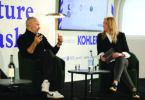

Please can you briefly discuss your career and your decision to become a marketeer within the hospitality and events industry?
I started my marketing career in the tech industry, driven by a passion for technology and digital marketing. I found it fascinating to see the direct impact of my work through measurable input and output. My passion for digital innovation and precise measurement also inspired me to develop our own product, designed to consolidate all data into one platform and eliminate the silos we were previously working with.
However, two years ago, I decided to pivot to the hospitality and events industry by joining Camm & Hooper. I’ve always been intrigued by this sector because it’s incredibly fast-paced and people-focused. This transition allowed me to apply my marketing skills in a new context, becoming part of this people-centric journey while learning about the various industries that operate within the same space.
What are some of the most significant trends you’ve observed in the hospitality industry over the past few years, and how have they influenced Camm & Hooper’s marketing strategies?
In the fast-paced events industry, staying ahead of customer needs is crucial, especially when catering to busy professionals. Bespoke CRM systems, blended with all marketing data, significantly improve response times and deepen the understanding of customer behaviour. For example, our integrated CRM allows us to anticipate client preferences and tailor our services accordingly. Additionally, 3D tours have made it easier for customers to view our venues before committing to an in-person visit, providing quick access to all relevant information. These advancements are necessary today to build more efficient processes that place the customer at the heart of everything we do. Customers have choices, and you need to ensure you are up there.
Sustainability and social responsibility are increasingly important, reflecting a broader industry shift towards eco-friendly and inclusive practices. We’ve adopted green initiatives such as zero-food waste events and partnerships with local suppliers to reduce our carbon footprint. This trend underscores the importance of aligning with these values to meet growing customer expectations.
With rising costs, the focus on cost control and maximising ROI has intensified. This has driven us to find efficiencies in our planning processes. For example, leveraging data analytics helps us optimise event budgets to ensure every pound spent delivers significant value.
These trends have encouraged us to continuously innovate and adapt our marketing strategies, ensuring we remain at the forefront of the dynamic events landscape. Looking ahead, we are excited to explore new technologies and sustainable practices that will further enhance our offerings and meet the evolving needs of our clients.
Can you give an example of a recent event that Camm & Hooper put together that you are especially proud of as a marketing professional?
There are so many, but one that stands out is the launch of 26 Leake Street. It was a hit because we kept it real and simple. People loved the vibe, and importantly, they didn’t leave feeling disappointed, which is a win in a world where marketing often overpromises. We made sure our message was genuine and resonated with our audience, using data to guide us without losing the human touch. It was a team effort, and when people come together, combining gut instinct with solid data, amazing things happen. This blend of teamwork and authenticity is what made the event truly memorable.
Enjoying this article? Sign up for our FREE newsletter!
How do you measure the success of an event, and what metrics do you consider most important?
For us, event success hinges on client satisfaction, solid preparation, and seamless communication. We make it our mission to bring our clients’ visions to life, creating unforgettable experiences that guests will talk about long after the event.
When it comes to marketing, we dive deep into digital engagement metrics to see how well we’re reaching and connecting with our audience. We keep a close eye on conversion rates to understand how our efforts are turning interest into bookings, and we evaluate customer acquisition costs to make sure we’re spending wisely. We track our reach and engagement to ensure our messages hit the mark with the right crowd. Plus, monitoring the return on marketing investment helps us see the financial impact of our strategies, showing us which ones deliver the best results. There’s very little you can’t measure—look at the data, listen to the data, but always consider all variables. Of course, there’s more to this, but that’s the gist of it.
What advice would you give to someone aspiring to work in marketing or event planning in the hospitality industry?
Always be proactive and innovative. Challenge the status quo by developing creative ideas. Focus on what truly engages your audience rather than sticking to traditional methods.
Use technology to combine marketing data with other company data. This gives you a complete view of your audience, helping you create more personalised and effective marketing strategies.
Regularly analyse data to inform your decisions. Be open to experimenting with new strategies, and let the data guide you. Collaborate with your team to refine your approach through trial and error.
Stay updated with the latest marketing trends, tools, and technologies. Adapt quickly to changes in social media algorithms, user behaviour, and industry innovations to maintain a competitive edge.
How do you see the hospitality industry evolving in the next few years?
The hospitality and events industry is experiencing exciting changes. Sustainability and Corporate Social Responsibility (CSR) are at the forefront. This means that everything from the choice of venue to the food served at events is selected with the environment in mind.
People still love unique, face-to-face experiences, which remain the highlight of any event. Wellness is another big focus, with a growing interest in activities that ensure guests not only enjoy the event but also feel good.
In summary, the industry is moving towards being eco-friendlier and more focused on creating personalised and memorable in-person experiences.