
By Adoniram Sides, Senior Vice President at Lightspeed
The hospitality industry is facing a significant skills shortage. As businesses navigate cost pressures such as National Insurance changes and economic uncertainty, many are turning to younger, less experienced workers to fill roles left by more seasoned professionals. While providing opportunities for new talent is essential for the industry’s future, it also brings a responsibility to ensure they receive the right training and support to succeed. Without the right systems in place, this growing skills gap can impact service quality and operational efficiency.
Here are four key areas businesses should focus on to close the skills gap and build a stronger, more confident workforce:
- Leveraging AI and Technology
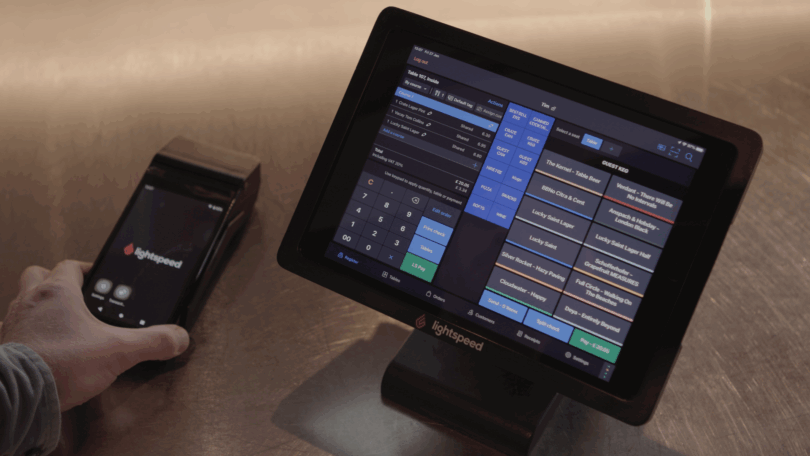
Many repetitive and time-consuming tasks can now be automated. Technology providers offer solutions that help streamline operations, reduce errors, and enhance efficiency. By integrating intuitive ePOS systems, automated reporting, and real-time data analytics, restaurants can optimise workflows, anticipate demand, and improve decision-making.
These technologies reduce the administrative burden on employees, allowing them to focus on customer service and team collaboration rather than operational bottlenecks. Additionally, smart automation tools can assist with tasks like order management and inventory tracking, ensuring smoother day-to-day operations. By equipping staff with the right technology, businesses can create a more efficient, less stressful work environment that ultimately enhances both employee satisfaction and customer experience.
- Supporting Employee Well-Being in a High-Pressure Industry
The mental health crisis in hospitality continues to worsen, affecting both well-being and work performance. A recent study found that three in five (59%) hospitality workers experience mental health conditions at work, with one in two admitting to thoughts of suicide, self-harm, or other harmful, negative thoughts – highlighting the immense pressure hospitality workers face.
I know this pressure firsthand. My first job in hospitality was as a dishwasher, and it was the hardest job I’ve ever had. One Friday night, the kitchen was slammed, and I was drowning in dishes. By 3 a.m., I was exhausted, overwhelmed, and still nowhere near done. Back then, the back-of-house environment was harsh— relentless pressure and no real support. That experience gave me immense respect for the industry but also showed me the importance of a work culture that prioritises both skill development and well-being.
While the industry has made strides in improving conditions since then, hospitality still demands resilience, and without proper support, workers can quickly burn out. To truly support the next generation of hospitality workers, businesses must implement structured training programs, foster mentorship, and leverage digital learning tools to accelerate skill development.
Enjoying this article? Sign up for our FREE newsletter!
Equally important is creating a work environment that prioritises mental health, offering access to professional support, fair scheduling, and open communication. By combining comprehensive training with a culture that values employee well-being, businesses can build a resilient workforce capable of thriving in a high-pressure industry.
- Creating Clear Career Pathways to Improve Retention
High turnover in hospitality is costly, impacting both finances and team morale. To keep employees engaged, businesses must offer clear career pathways that highlight growth opportunities within the industry.
Structured development programs—such as leadership training, mentorship, and cross-training—help employees see hospitality as a long-term career. Digital training platforms also allow staff to upskill at their own pace, making professional growth more accessible.
Recognising progress through clear promotion criteria, performance-based incentives, and public recognition keeps employees motivated. Staff who develop new skills are more likely to stay, reducing turnover and improving service quality. From the mid 2020s onwards, upskilling will be key not just for filling current labour gaps but for building stronger teams for the future.
- Embracing Flexible Work Hours to Retain Young Talent
The younger generation increasingly values flexible work arrangements, seeking roles that offer a better work-life balance. In fact, a recent survey highlighted that 92% of millennials identified flexibility as a top priority when job hunting.
By offering flexible schedules, the hospitality industry can become more appealing to young professionals, enhancing recruitment and retention efforts. Implementing flexible work policies not only meets the expectations of the modern workforce but also fosters more engaged and productive teams.
The future of hospitality depends on balancing efficiency, skill development, and employee well-being. Businesses must invest in solutions that not only streamline operations but also foster a supportive and engaging work environment. By leveraging the right training and technology, operators can ensure their workforce thrives.