
Laurence Pinnfire, Director at Tate + Co, is the Design Lead for the studio’s hospitality and leisure projects, including Watergate Bay and Callow Hall.
A hotel can no longer rely on simply offering guests a comfortable bed for the night. Travellers are becoming more discerning about where they stay and, increasingly, the hotel itself is expected to be part of the experience.
Importantly, this is no longer confined to the luxury end of the market. Guests at every price point are looking for character, individuality and a connection to the place they are visiting. A memorable stay does not necessarily mean expensive finishes or five-star facilities; it can come from thoughtful design, a strong local identity, good food or simply an experience that feels particular to its location.
Platforms such as Airbnb have helped to reshape those expectations. They have made unusual, characterful and locally rooted accommodation accessible to a much wider audience, challenging the idea that a predictable hotel bedroom is necessarily what guests want from an affordable stay.
For hotels, the opportunity is not to imitate Airbnb, but to offer something richer: a carefully curated experience of a place, bringing together architecture, landscape, food, history, hospitality and local culture. For me, the most successful hotels are those that feel as though they could only exist in that particular location.
The UK is a brilliant opportunity in this respect. Its historic buildings, landscapes and communities provide a richness that is difficult to manufacture. With the right design approach, characterful buildings of all kinds can be sensitively adapted to provide contemporary hospitality while retaining the qualities that make them distinctive. This can also provide a viable long-term use for buildings that might otherwise face significant challenges around maintenance, running costs and stewardship.
But creating a genuine sense of place needs to go much further than architecture and interiors.
Enjoying this article? Sign up for our FREE newsletter!
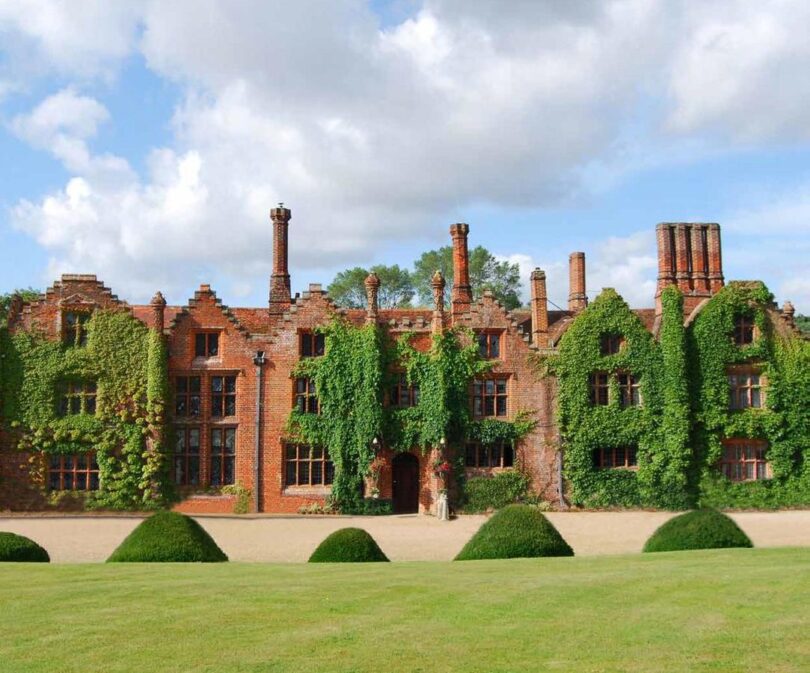
At Seckford Hall Hotel, a Grade II listed Tudor house and gardens in Suffolk, we developed a holistic vision based around health, wellbeing and country pursuits. We introduced new interventions designed to work with the original architecture, landscaped gardens and rural setting rather than compete with them.
But this approach should not be mistaken for a luxury proposition. A genuine sense of place does not depend on a historic country house, a large estate or an expensive room rate. The same principles are equally relevant to contemporary and more affordable hotels.
At any price point, it comes down to understanding what is distinctive about a location and allowing that to influence the guest experience. That can happen across the hotel experience through architecture and landscape, locally grown ingredients used in the kitchen, honey produced from beehives on site, toiletries made by nearby businesses, or simply creating a bar or restaurant that local people genuinely want to visit.
These relationships can deliver commercial benefits too. A distinctive experience gives guests a reason to choose one hotel over another and something memorable to share afterwards. In a market where guests can compare hundreds of places to stay within seconds, character and authenticity can be powerful differentiators.
Strong relationships with the surrounding community can also help a hotel become a more attractive place to work. At a time when the hospitality sector continues to face challenges recruiting and retaining staff, being part of a valued local destination can help employees feel connected to a wider purpose and place.
Ultimately, a successful hotel should be a gateway to their surroundings, giving guests access to the landscape, history, food, culture and people that make a place distinctive.
For architects, hoteliers and developers, that means thinking beyond the bedroom and even beyond the boundaries of the site. Whether a five-star country retreat or a more affordable place to spend the night, the opportunity is the same: to create somewhere that visitors want to stay, local people want to spend time, and that could not simply be picked up and placed somewhere else.
That sense of place is no longer an added luxury. Increasingly, it is part of what guests expect a hotel to provide.