By Simon Westwood, Panduit
Railway networks are becoming more sophisticated and interconnected, but in this digital transformation, wire management and cable ties, which are often overlooked, form the invisible backbone that ensures communication, safety, and system integrity across the network. As the UK embarks on extensive electrification, modernisation and smart railway initiatives, selecting the right cable management components isn’t just about tidiness, it’s more about compliance, resilience, and operational excellence.
UK and European railway safety frameworks place fire performance at the core of material approval. EN 45545‑2 (“fire behaviour of materials and components”) and EN 45545‑3 (“fire resistance of fire barriers”) have been mandatory since 2016 across the EU. In August 2023, the BS EN 45545‑2:2020 revision became the UK national standard, though it isn’t currently mandatory under National Technical Specification Notices, full adoption ahead of the EU’s January 2026 phase-in is strongly recommended. This update sharpens the protocols for flammability, smoke generation, and toxicity testing.
Cable ties and routing components used in high-risk zones, carriages, driver’s cabs, and underframes, must carry Hazard Level HL3 certification under EN 45545‑2 and comply with EN 45545‑3 if they serve as part of fire barrier assemblies. Components meeting these standards not only support compliance but significantly improve passenger and staff safety in case of onboard fire events.
Environmental Resistance for UK Conditions
UK railway infrastructure faces frequent exposure to moisture, temperature shifts, UV radiation, and biological threats, such as rodents. Modern cable ties and clips must resist these long-term stressors.
- UV and moisture resistance: UK rail assets often span tunnels, open countryside, and exposed locations. UV‑stabilised, halogen‑free nylon variants and stainless‑steel ties help maintain durability and fire-safety ratings over decades.
- Extreme temperatures: Heat Stabilised Polyamide 6,6 cable ties rated to -60 °C to +115 °C endure in locations from cold outdoor switches to hot interior voids.
- Rodent resistance: Sleeving and conduit systems validated by operators like SNCF show how management systems can prevent critical damage, an often overlooked but vital aspect of longevity.
These environmental considerations dovetail with broader UK infrastructure resilience goals. For example, the Midland Main Line electrification highlights the increased need for components that resist both operational stress and environmental wear.
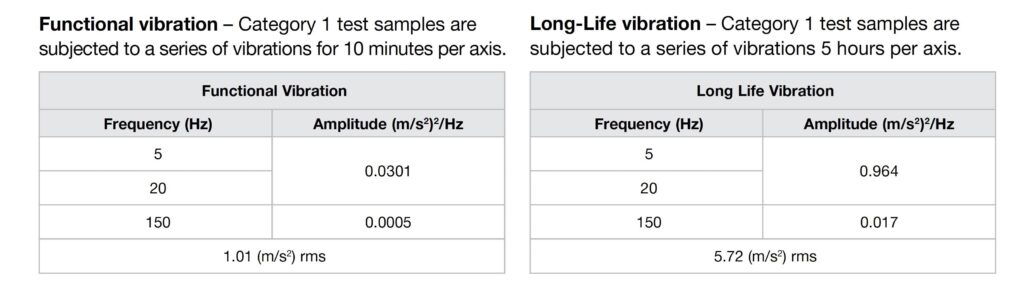
Trains are subject to heavy vibration, suspension loads, and mechanical wear, and cable management hardware must withstand it all. EN 61373 outlines shock and vibration testing for rolling stock, and compliant systems, e.g., Panduit Dome‑Top Barb‑Ty are validated under Category 2 testing as well as Panduit’s range of metal insert edge clips. Enhanced tensile strength, 18% higher than serrated alternatives and robust locking features help prevent system failures over their service lives.
With UK rail projects targeting improved reliability, including smart train and cable retrofit programmes, the longevity of cable management components is as vital as that of rails and motors themselves.
Precision layout and timely servicing demands systems that support efficient installation and access. The use of one‑click mounts, edge‑clips, and tailored cable entry frames can accelerate initial deployment and streamline later servicing.
When choice allows, reusable or releasable cable ties are highly valuable in maintenance-access zones, such as in traction control cabinets or under‑floor equipment. They reduce manual effort, eliminate tie damage, and support safer servicing. The modular design ethos of smart rail and TCMS upgrades is pushing manufacturers to provide flexible cable systems that facilitate retrofitting and diagnostics.
Enjoying this article? Sign up for our FREE newsletter!
Traceability, Certification & Documentation
Traceability is not just admin it is core to safety assurance. UK railway regulations and Network Rail procurement require traceable part numbers, batch tracking, and verifiable test documentation. These features are essential during audits, incident investigations, and integration reviews, especially when multiple standards (EN 45545‑2, EN 61373, NFPA 130) align.
Working with suppliers like Panduit, ensures you receive full certification records, fire‑test reports (HL‑rated), and material declarations. This not only streamlines purchasing but supports legal and operational audits.
The global wire and cable management market was valued at approximately US $20.9 billion in 2024 and is projected to grow at 8.1% CAGR through 2034. Meanwhile, the railway wiring harness market was valued at US $1.5–1.57 billion in 2021–2022 and expected to grow (4.5–4.6% CAGR) through 2026–2030, driven by electrification and metro expansions.
The Railway Network Communication Cable and broader cable assembly sectors are set for major growth, paralleling global rail-to-digital transformations. Within the UK, fully electrifying lines such as the Midland Main Line adds hundreds of miles of installed cable systems, raising the volume of cable accessories needed. Meanwhile, smart rail and 5G-R upgrades require more complex cabling, sensors, and high-speed data links.
Safety & Digital Integration Driving Demand
Railways are evolving beyond electrification they’re becoming integrated digital ecosystems. Safety developments include:
- EN 45545 updates: The 2020 revision tightens testing methodologies, with hazard zones more precisely defined and retroactive update encouraged by UK fire-safety labs.
- Cyber-physical integration: Advanced communication systems (e.g., 5G-R) and cybersecurity measures for train-control and signalling increase the complexity of wiring needs.
Cable infrastructure must therefore meet not just mechanical and fire performance criteria but also signal‑integrity and electromagnetic‑compatibility (EMC) standards.

Bringing it all together, here’s a five-point checklist rail engineers and asset managers should follow when specifying cable management systems:
- Standards Compliance
- EN 45545‑2/‑3 HL3 for fire behaviour & barrier systems
- EN 61373 for shock/vibration resistance
- Relevant EMC/international certifications
- Environmental Resilience
- UV-stabilised, halogen-free, high-temperature provisions
- Moisture, chemical, rodent-resistant materials
- Strength & Lifecycle Performance
- High tensile strength, verified via Category 2 testing
- Extended lifespan with minimal material degradation
- Operational Efficiency
- One-click mounts, edge-clips, and modular cable entry systems
- Releasable ties for service zones; consistent tooling for tensioning
- Traceability & Documentation
- Clear batch/lot marking and standardised part numbering
- Certified data sheets, fire‑test reports, and compliance documentation
The ongoing electrification and upgrade of the Midland Main Line including 125 mph capable infrastructure and expanded power supply is a high-profile example of system-wide cable management needs across years of phased deployment. Tens of thousands of metres of overhead and signalling cables are being installed in stages from Bedford to Sheffield with each phase requiring; accurate traceability of materials, fire‑safe and vibration-enduring cable ties, flexibility to adapt to evolving OLE layouts and future sensor and communication upgrades
This demonstrates how adherence to standards and forward planning dovetail to support large-scale rail modernisation. Smart rail and wiring markets are growing at 8% (global cable) and 4.5% (rail wiring) annually. Together with stricter safety regulation, including, 2020 EN updates and UK/EU harmonisation are sharpening fire-safety expectations. While digitisation and network integration, 5G-R, cybersecurity, and smart sensor networks will increase harness complexity. As well as renewable and net-zero alignment means cable demand is set to double as rail systems electrify and interconnect, coinciding with UK energy transition initiatives.
For UK railway stakeholders, the smallest components, like cable ties and clips are far from trivial; they are system enablers. With elements such as fire safety, mechanical durability, traceability, and digital readiness rapidly evolving, choosing the right wire management solution is essential for, regulatory compliance, system reliability and safety, lifecycle cost efficiency and future‑ready interoperability.
By embracing standards-compliant, high performing, and traceable cable management solutions today, like EN 45545‑certified ties and modular cable entry systems, rail operators and engineers can ensure their infrastructure is prepared for the challenges of a smarter, greener, safer rail network by 2030.